Visiting Plitvice Lakes in Spring: Your Complete March–May Guide (2026)
Spring is one of the most rewarding times to visit Plitvice Lakes National Park. As winter releases its grip on Croatia's mountainous interior, snowmelt surges down the 16 terraced lakes and feeds more than 90 waterfalls, making them louder and more powerful than at any other time of year. The surrounding beech and fir forests explode with fresh green foliage, wildflowers carpet the forest floor, and the park gradually wakes from its quietest season.
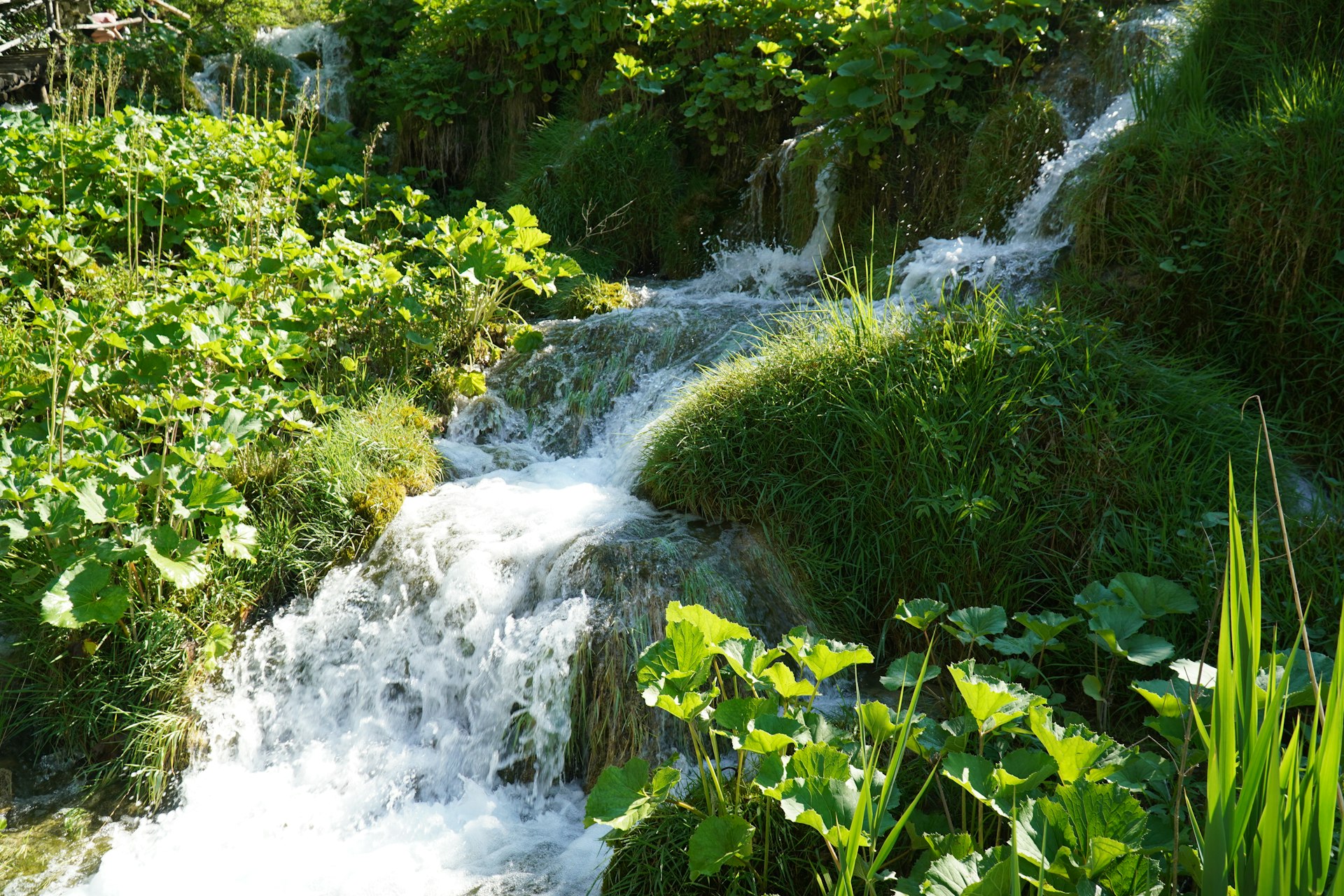
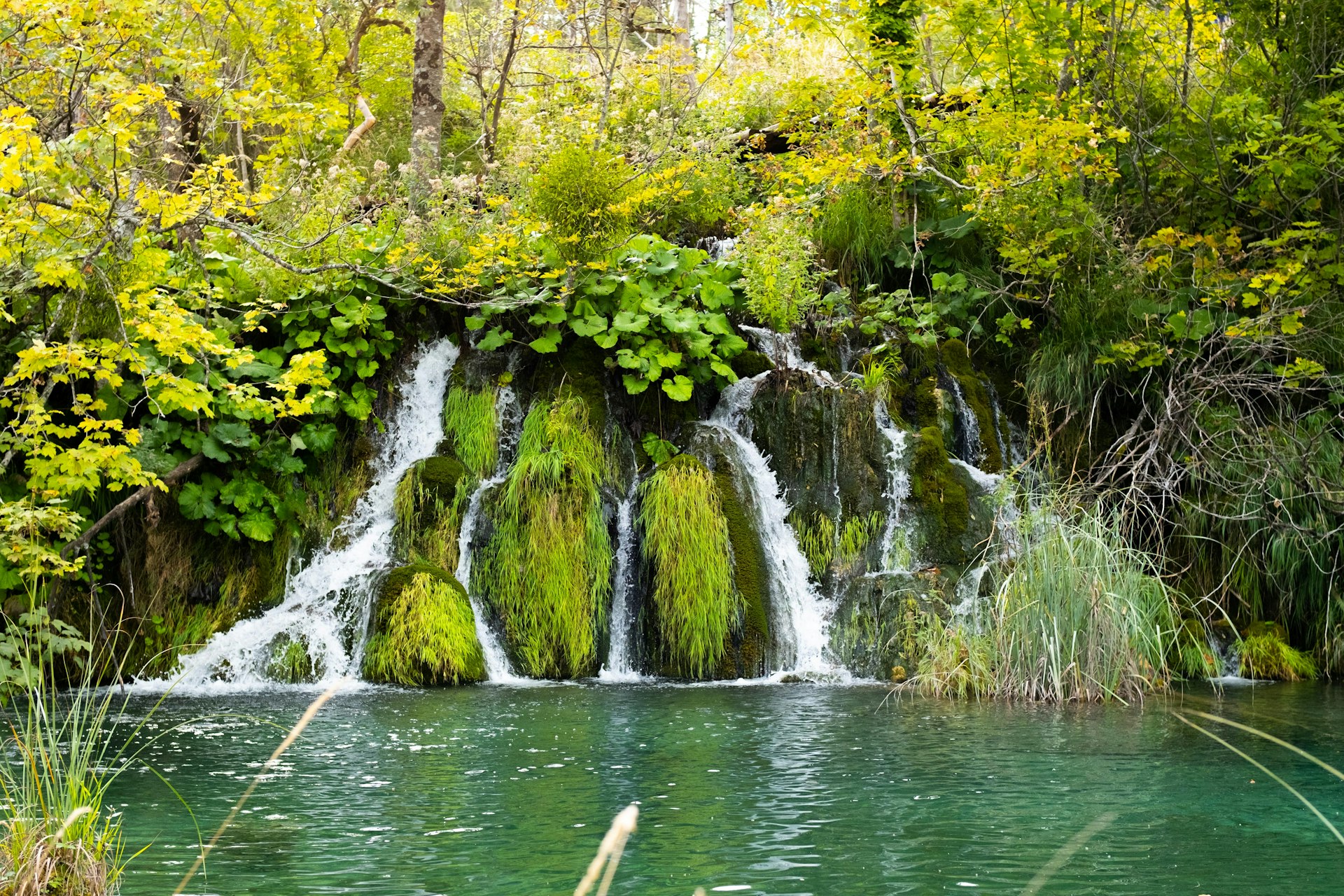
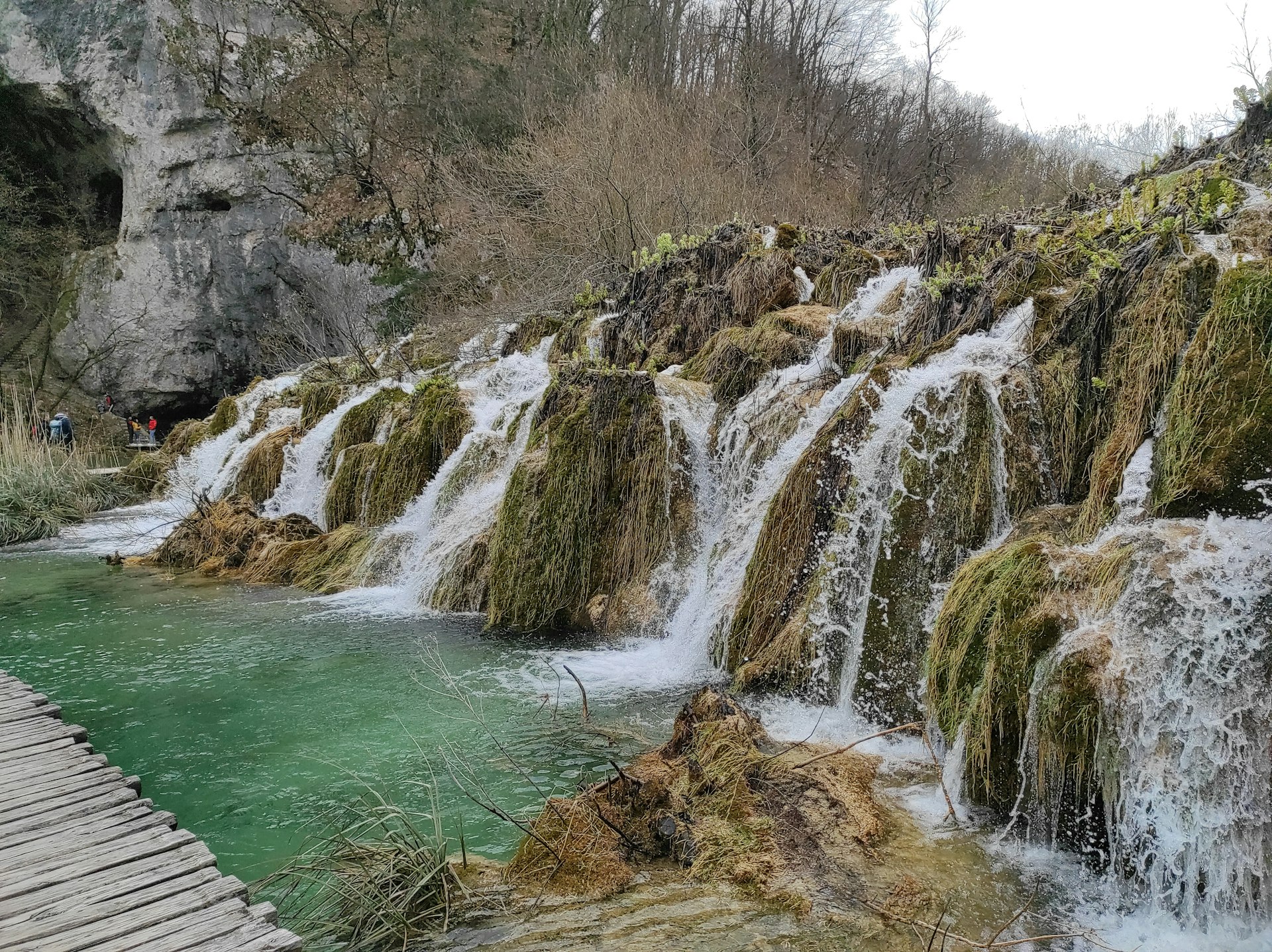
With ticket prices starting at just €10 in March and rising to a moderate €23 in April and May, spring also represents excellent value compared with the peak-summer price of €40. Crowds build gradually — March can feel almost private, while May approaches busy-season energy — so you can fine-tune your visit depending on whether you prioritize solitude or warm weather.
This guide walks you through everything you need to plan a perfect spring trip to Plitvice Lakes: weather expectations, ticket costs, what to see and do, photography opportunities, packing essentials, and month-by-month tips.
Weather & Climate in Spring (March–May)
Plitvice Lakes sits at an elevation of roughly 500–640 meters in Croatia's Lika region, which gives it a continental-mountain climate that is noticeably cooler and wetter than the Dalmatian coast. Spring weather is changeable here — warm sunshine one hour, a brisk rain shower the next — so flexibility is key.
March
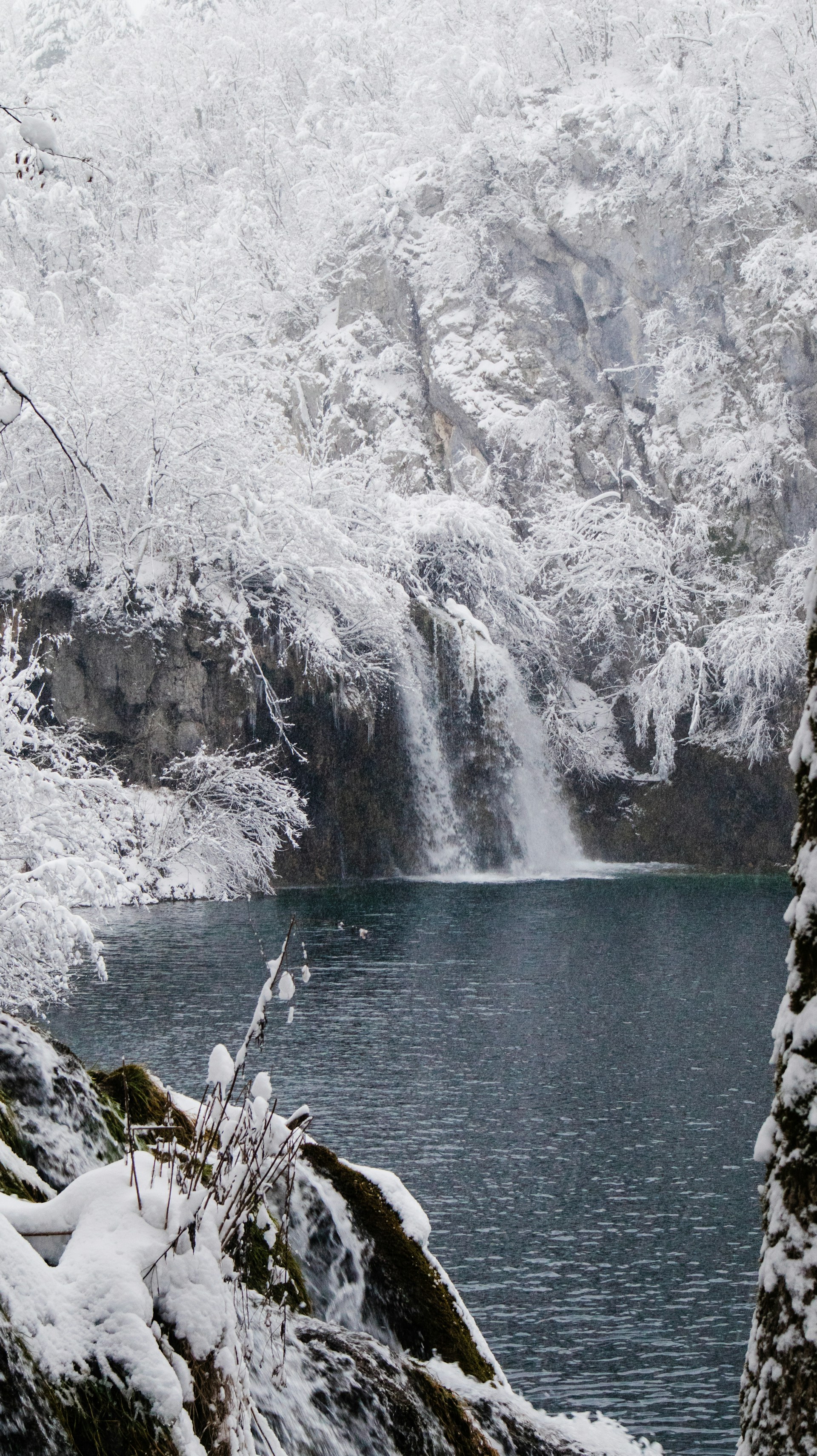
March is the tail end of winter at Plitvice. Average high temperatures hover around 10 °C (50 °F), with lows dipping to 1–2 °C (34–36 °F) overnight. Snow is still possible in early March, especially at higher elevations, and some upper-lake boardwalks may remain closed due to ice or maintenance. Rainfall averages about 80 mm over 10–12 rainy days. The payoff is dramatic: waterfalls are at near-peak flow as the first snowmelt arrives, and visitor numbers are minimal.
April
April marks the real beginning of spring. Highs climb to 15 °C (59 °F), and overnight lows stay around 5 °C (41 °F). Rain is frequent — roughly 90–100 mm spread across 12–14 days — but showers tend to be short-lived and interspersed with sunshine. The forest canopy turns vivid green, wildflowers appear along the trails, and all boardwalks and boat services typically reopen by mid-April. Waterfall volume remains strong.
May
May is widely considered Plitvice's sweet spot. Average highs reach 20 °C (68 °F), and lows rarely fall below 9 °C (48 °F). Rainfall drops slightly to around 80–90 mm, and sunny spells become longer and more reliable. The park is in full bloom, waterfalls still carry significant volume from late snowmelt and spring rain, and the landscape looks lush. The trade-off is rising visitor numbers — May weekends can feel busy, though nothing like July or August.
Summary table:
| Month | Avg High | Avg Low | Rainfall | Sunny Days |
|---|---|---|---|---|
| March | 10 °C | 1 °C | ~80 mm | 4–5 |
| April | 15 °C | 5 °C | ~95 mm | 5–6 |
| May | 20 °C | 9 °C | ~85 mm | 7–8 |
Crowds & Ticket Prices
Spring offers a gradual ramp-up in both visitor density and cost, which makes it easy to choose the right balance for your trip.
Ticket Prices (2026)
- March: €10 per adult — the lowest tier, shared with November–February. Children aged 7–17 pay €5; under-7s enter free.
- April–May: €23 per adult. This is the mid-season rate, significantly cheaper than the €40 charged from June through September. Student discounts and two-day passes are available.
All tickets now include a timed-entry slot. You book a specific morning or afternoon entry window online at the official site, which helps manage congestion on the boardwalks.
Crowd Levels
- March: Very low. You may share a boardwalk with only a handful of other visitors, especially on weekdays. Some facilities (cafés, souvenir shops) may still be closed.
- April: Low to moderate. Easter week brings a noticeable bump, but it remains comfortable. Weekdays are quieter.
- May: Moderate to high. School groups begin appearing, and weekends can see queues at entrances 1 and 2. Arriving before 9:00 AM or after 3:00 PM is strongly recommended.
Pro tip: Book tickets online at least two days in advance for May visits — popular time slots do sell out, especially on weekends and holidays.
What to See & Do
Waterfalls at Peak Power
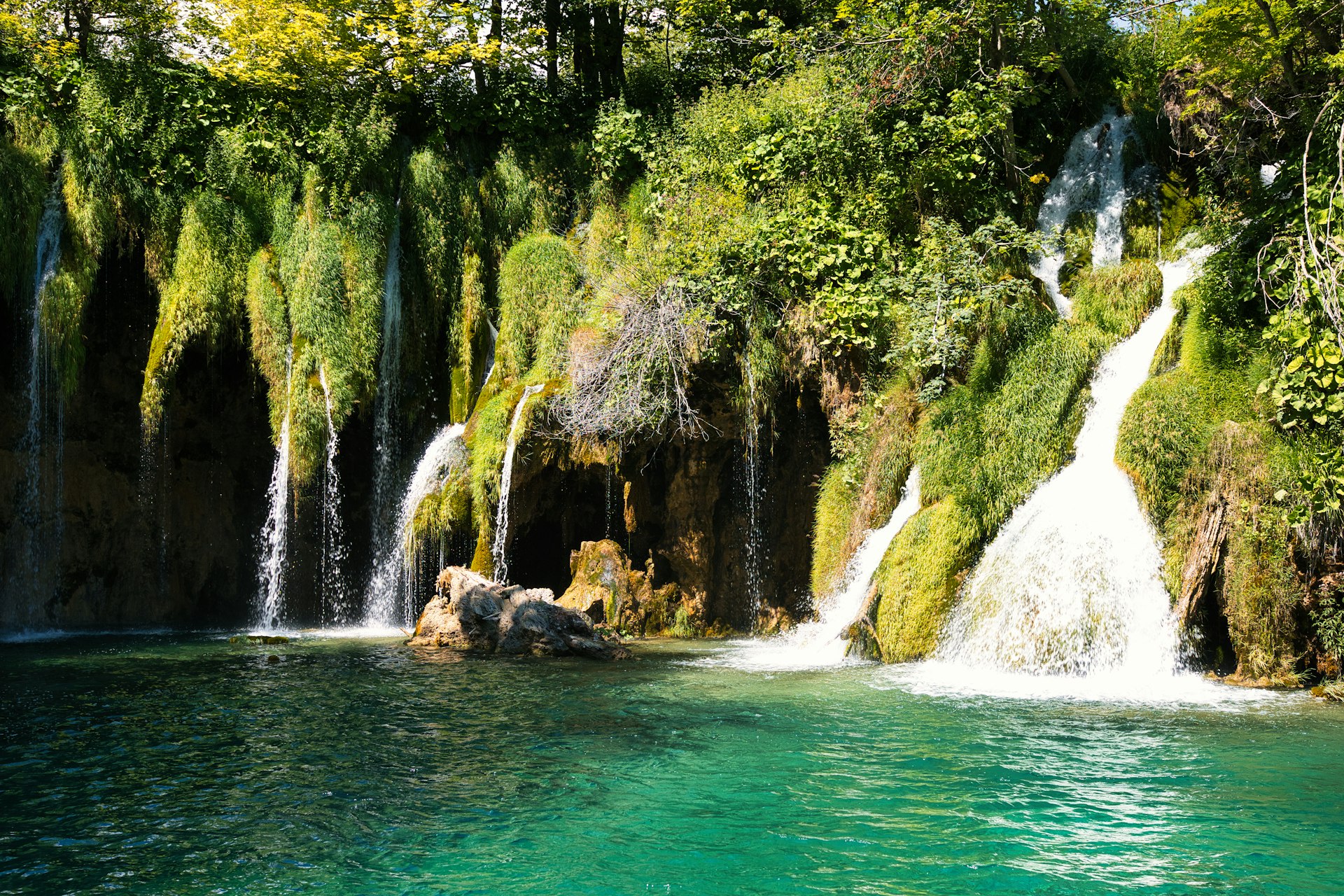
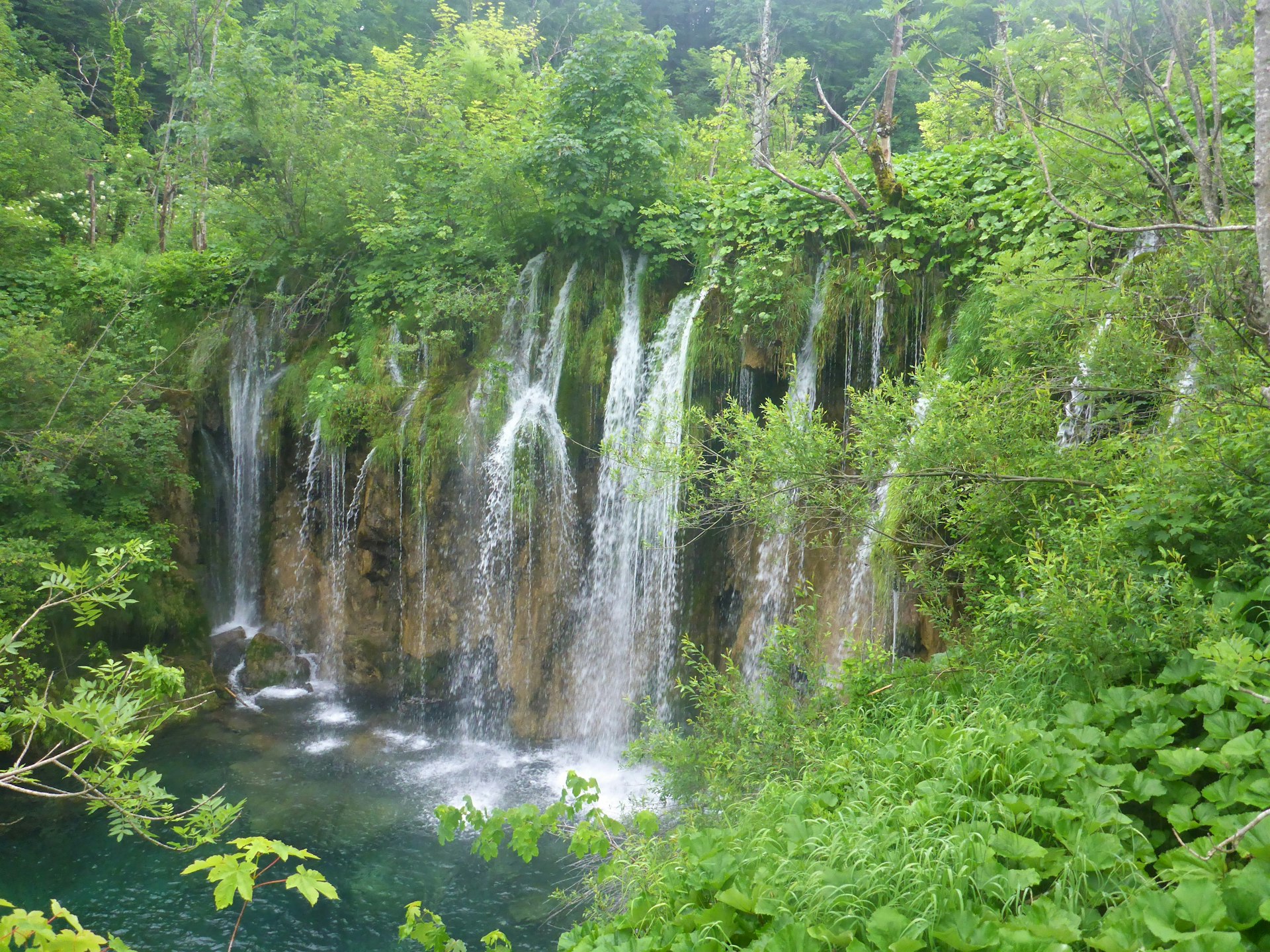
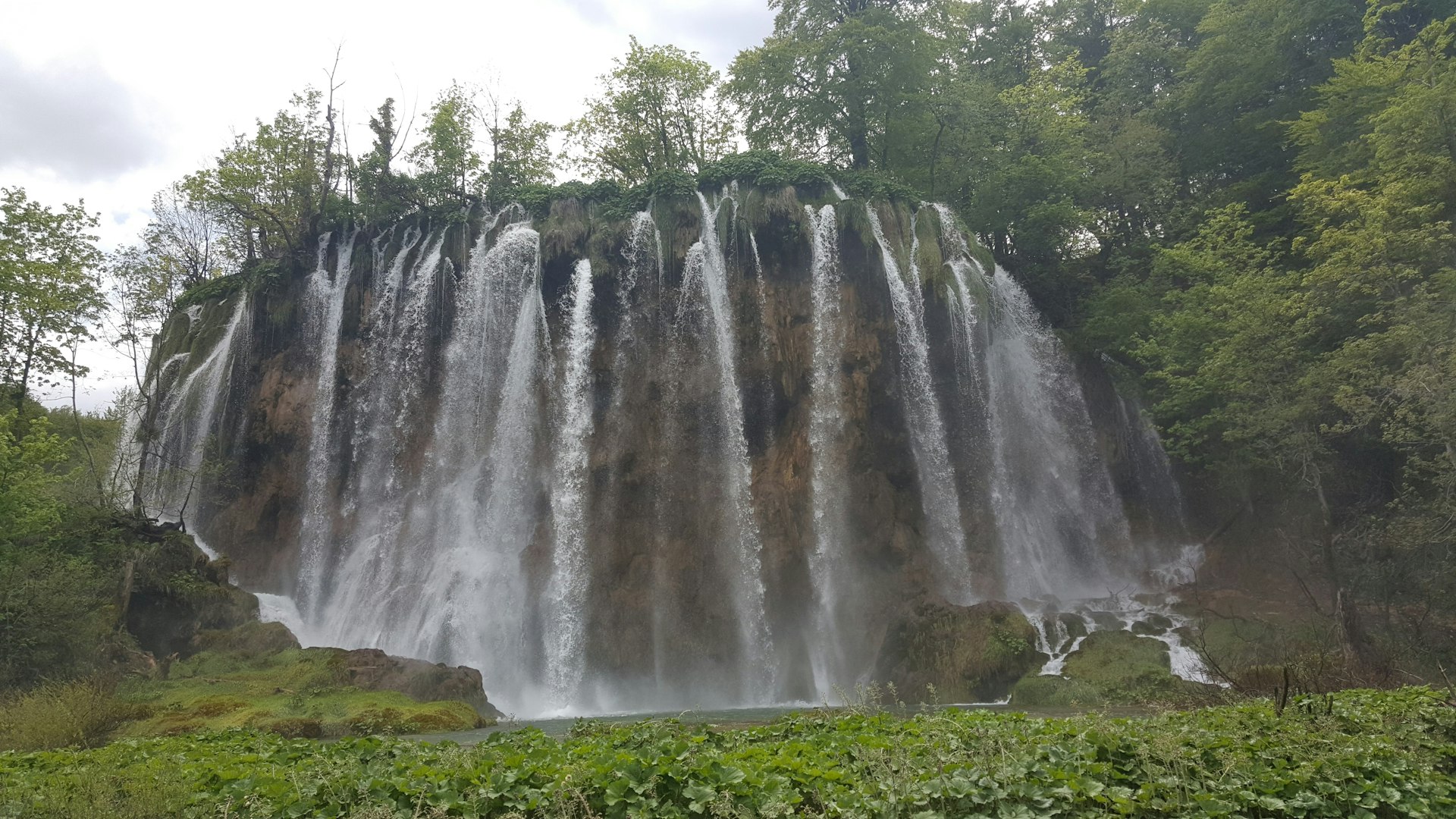
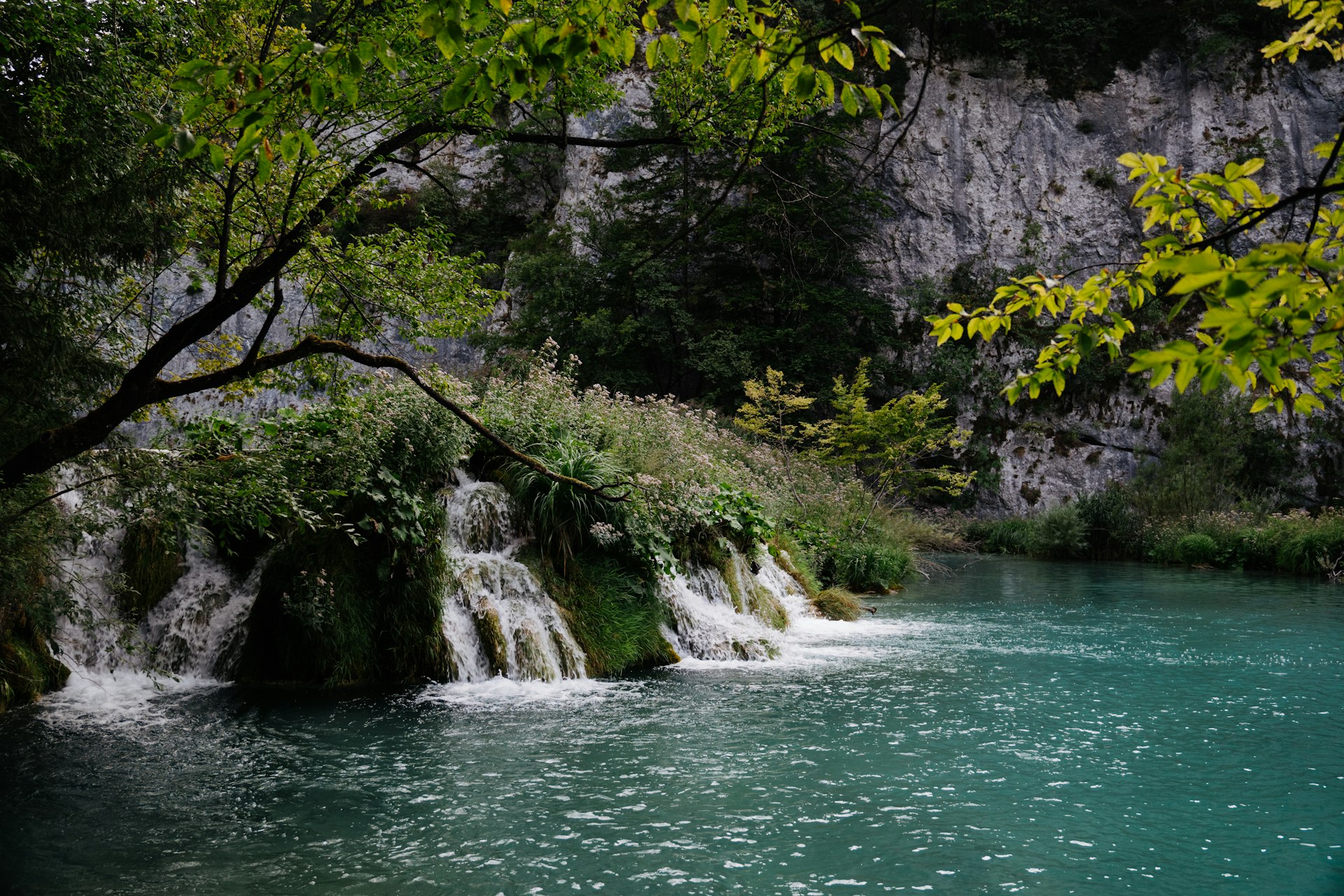
Spring's defining feature at Plitvice is water volume. The park's most famous waterfall, Veliki Slap (the Great Waterfall), drops 78 meters and reaches its most impressive flow in April and May, when it's fed by snowmelt from the surrounding mountains. The cascades connecting the Upper Lakes — including Galovački Buk, Milanovački Slap, and the series of travertine falls between Prošćansko and Kozjak lakes — are similarly swollen. If your primary goal is seeing Plitvice's waterfalls at their most powerful, spring is the season to come.
Walking Routes
The park offers eight official hiking routes labeled A through K, ranging from 2-hour loops to full-day circuits of 18 km. In early March, the shorter Lower Lakes routes (Route A or B, 2–3 hours) may be the only options if upper boardwalks are closed. By mid-April, all routes are typically open, and the full Route K circuit — which covers both the Upper and Lower Lakes — is a spectacular all-day adventure.
Recommended spring route: Route C or E (3–4 hours) covers the Lower Lakes, the boat crossing of Lake Kozjak, and a section of the Upper Lakes. It gives you Veliki Slap plus the most photogenic cascades without exhausting your legs.
Wildlife Spotting
Spring is breeding season, so birdlife is at its most active. Listen for the drumming of black woodpeckers echoing through the beech forest, and keep your eyes open for grey herons fishing at the lake margins. The park is home to brown bears, wolves, and lynx — while sightings are rare, spring is when these animals are most active after winter dormancy. You are more likely to spot red deer, wild boar, and fire salamanders along the trail edges.
Lake Kozjak Boat Cruise
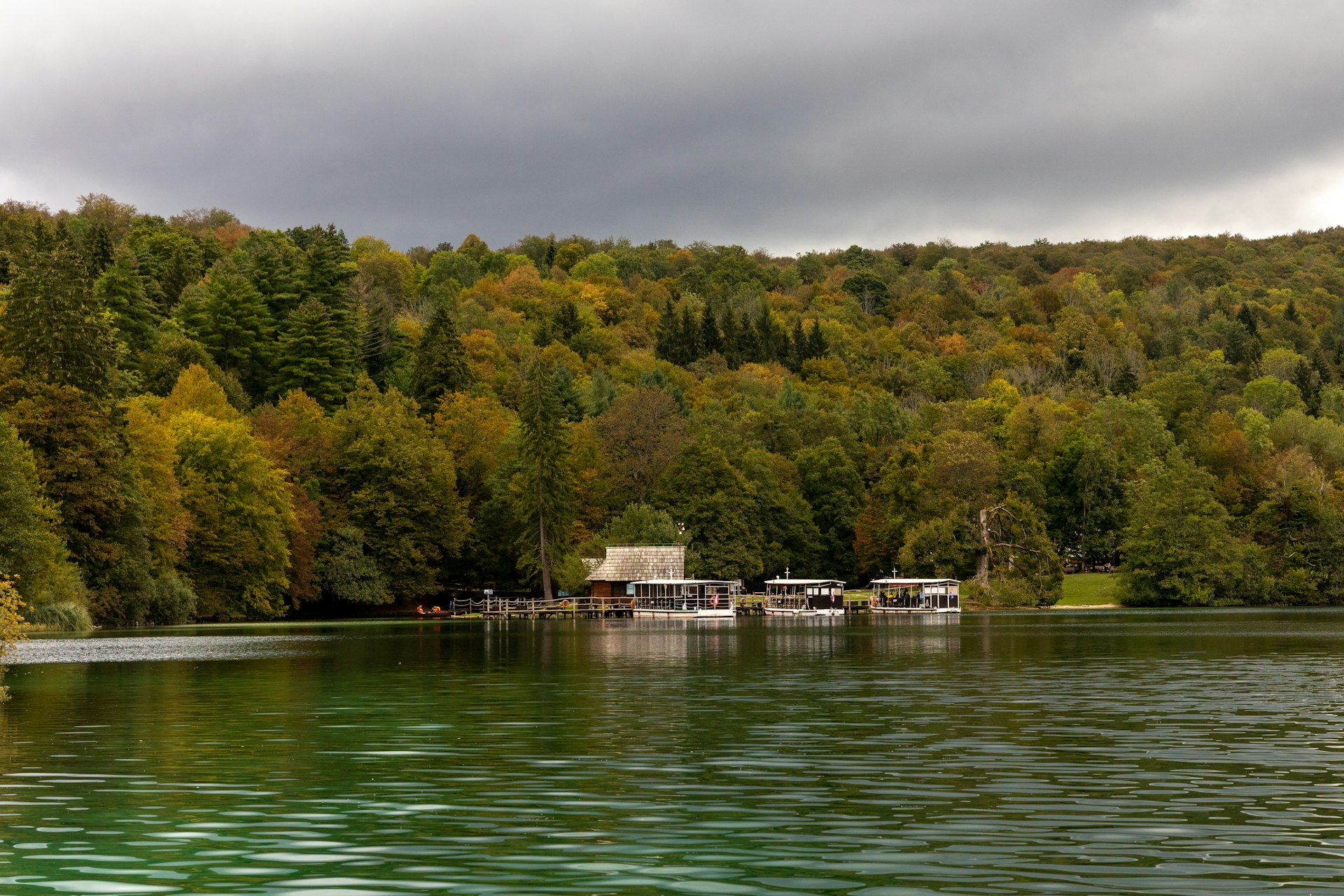
The electric boat shuttle across Lake Kozjak (the largest lake in the park) operates from mid-April through November. The 15-minute crossing is included in your ticket and offers panoramic views of forested hillsides reflected in water so clear you can see the bottom at depths of several meters.
Photography Opportunities
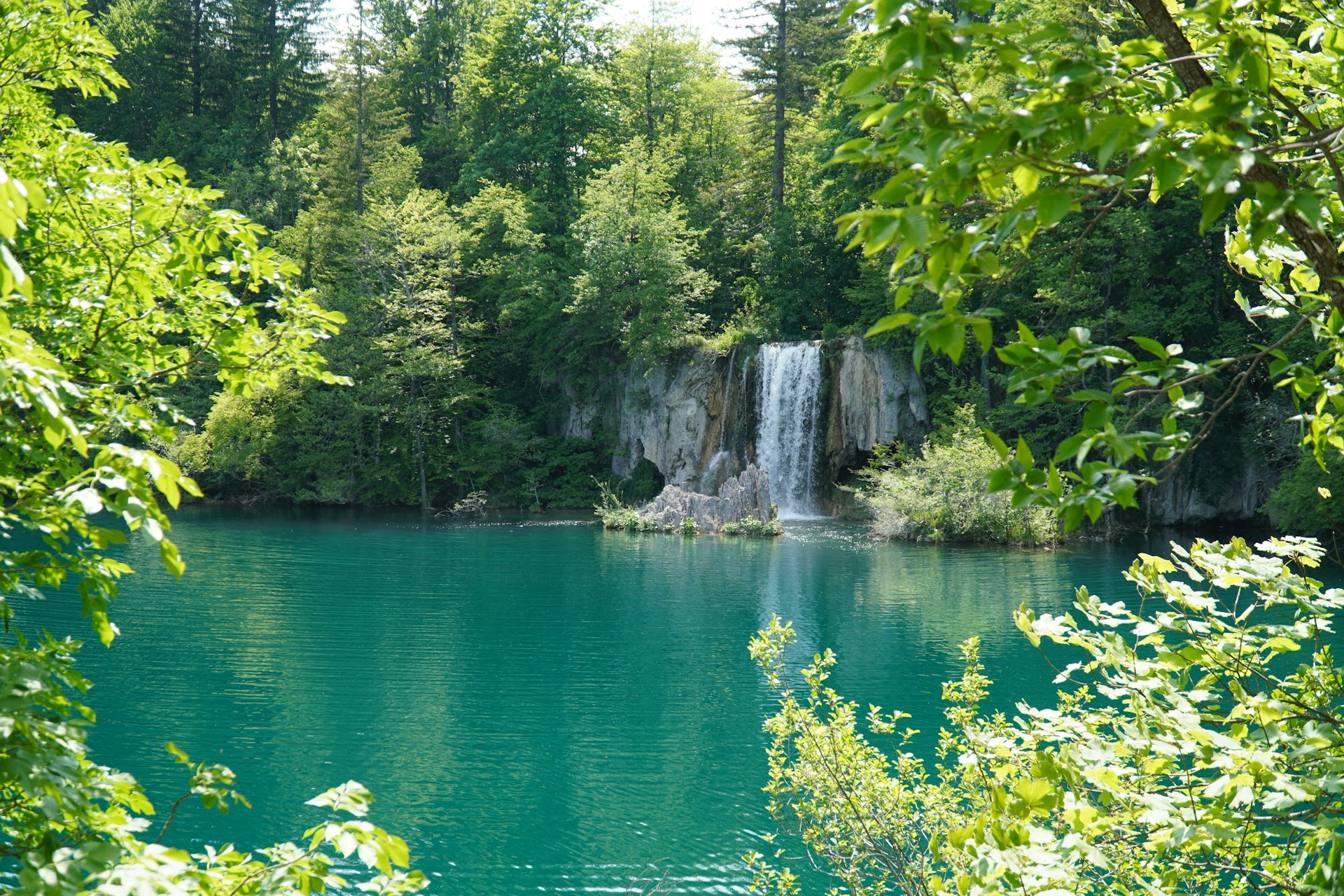
Spring is a dream for nature photography at Plitvice. The combination of high water volume, fresh green foliage, and soft, diffused light from overcast skies creates conditions that are hard to beat.
Best shots in spring:
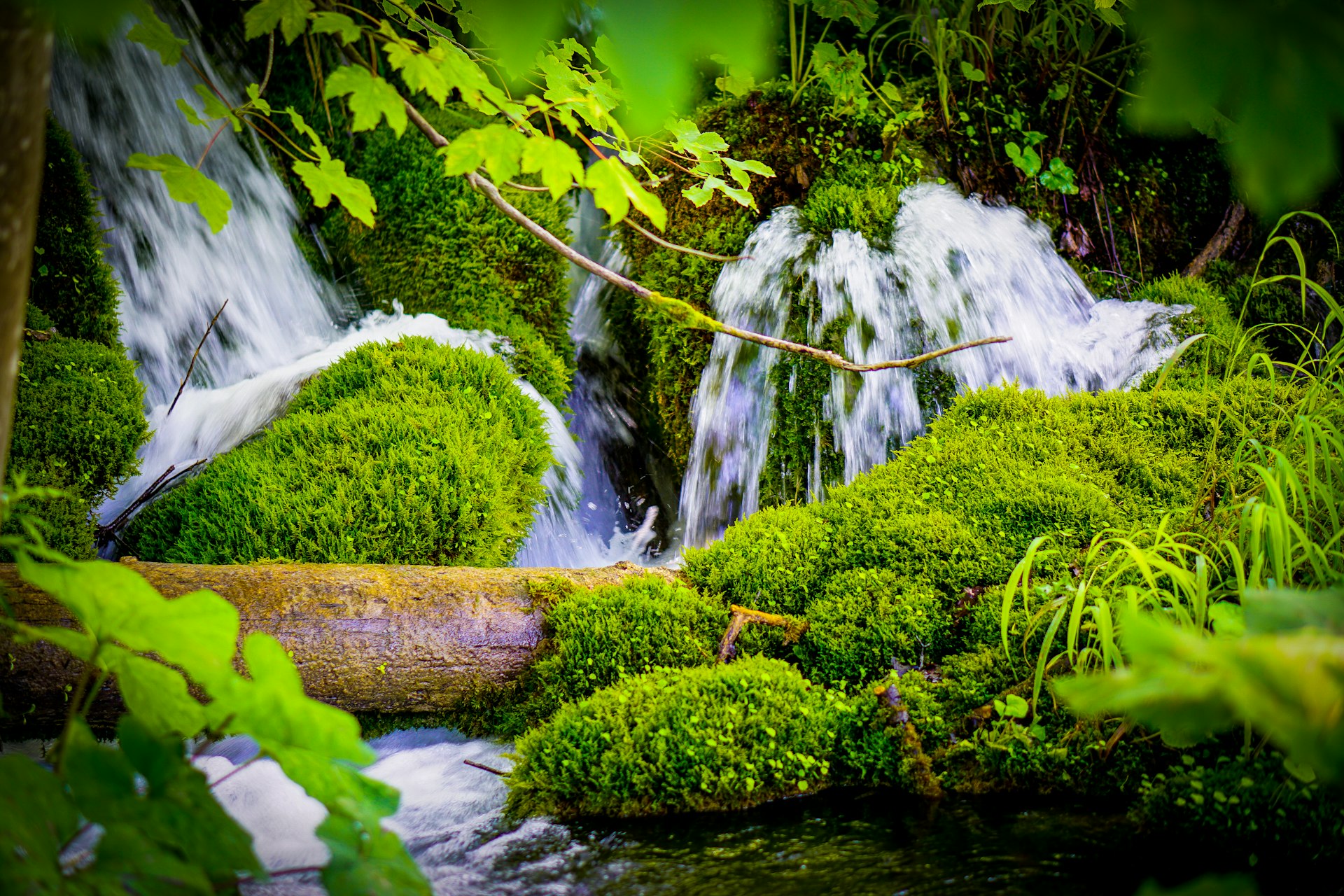
- Long-exposure waterfall images — The powerful spring flow produces dramatic silky-water effects with a 1–2 second exposure. A lightweight tripod is essential. The boardwalk at the base of Veliki Slap is the classic vantage point, but the cascades between Lakes Galovac and Milanovac are equally photogenic with fewer people in the frame.
- Wildflower close-ups — From mid-April, the forest floor is dotted with wood anemones, crocuses, and wild garlic. A macro lens or close-focus setting on your phone will capture stunning detail.
- Reflections — On calm mornings (arrive at opening), the upper lakes produce mirror-like reflections of the surrounding forest. The turquoise water contrasts beautifully against the bright spring greens.
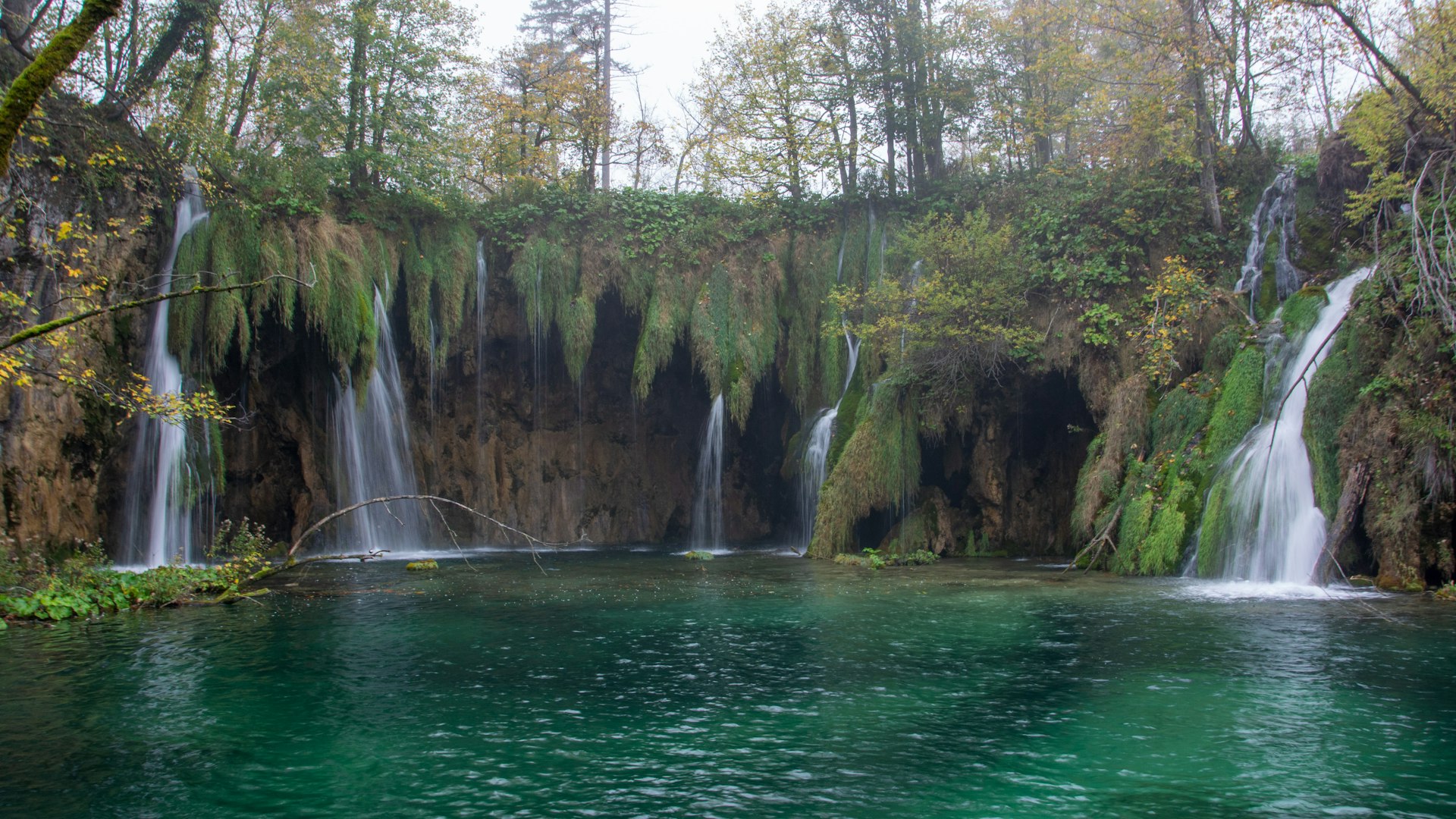
- Misty atmosphere — Spring rain and morning fog create moody, atmospheric conditions that add depth and mystery to your images.
Timing tip: Overcast mornings between 8:00 and 10:00 AM deliver the most even, flattering light. Midday sun creates harsh shadows on the boardwalks.
What to Wear & Pack
Spring weather at Plitvice is unpredictable, so layering is essential.
Clothing:
- A waterproof outer shell jacket (rain is almost certain at some point)
- Mid-layer fleece or down vest for March and early April
- Long trousers — the boardwalks and trails can be damp and muddy
- Sturdy waterproof walking shoes or hiking boots with good grip (boardwalks get slippery when wet)
- Warm hat and gloves for March mornings
Gear:
- A small daypack for layers, snacks, and water
- Compact umbrella (useful on the wider paths, though wind can make it impractical on narrow boardwalks)
- Reusable water bottle — there are refill stations near the entrances
- Sunscreen and sunglasses for May, when UV levels increase
- Lightweight tripod for waterfall photography
Food & drink: There are a few cafés inside the park (more open from mid-April), but selection is limited and prices are tourist-level. Packing your own sandwiches and snacks is recommended.
Pros & Cons of Visiting in Spring
Pros
- Waterfalls at peak flow — snowmelt makes every cascade more impressive
- Affordable tickets — €10 in March, €23 in April–May vs. €40 in summer
- Smaller crowds — especially March and April weekdays
- Lush, green landscapes — the forest canopy is fresh and vibrant
- Excellent photography conditions — soft light, high water, wildflowers
- Pleasant hiking temperatures — warm enough to be comfortable, cool enough to avoid heat
Cons
- Rain is frequent — expect at least one shower during your visit
- March can feel wintry — some trails may be closed, limited facilities
- Changeable weather — hard to guarantee a sunny day for photos
- May weekends get busy — not as uncrowded as winter or early spring
- Water mist — powerful waterfalls throw up spray that can soak you (and your camera) on the boardwalks
Tips & Recommendations
Book timed-entry tickets online well in advance, especially for May weekends. The official park website is the only legitimate source.
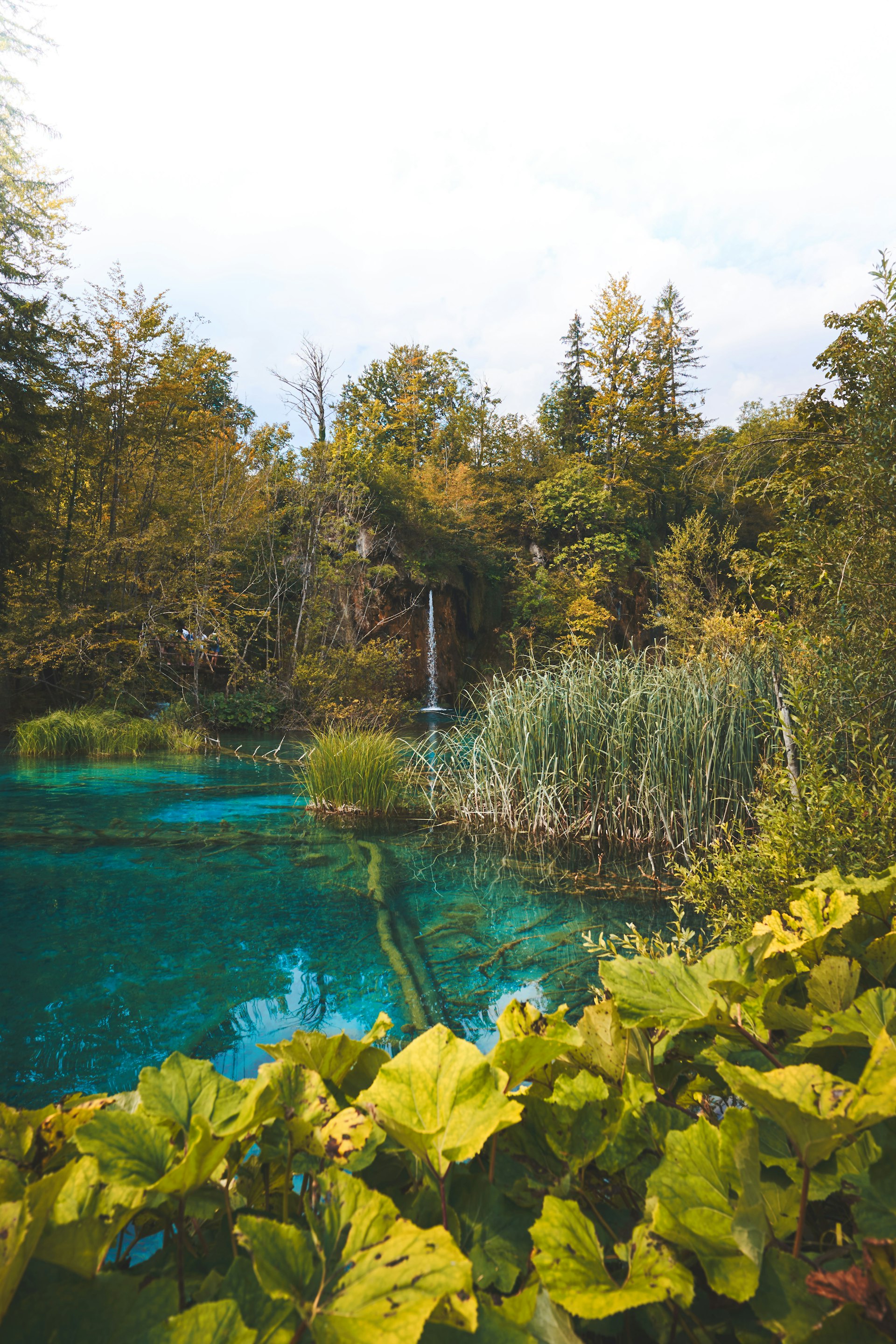
The famous turquoise color comes from dissolved minerals in the limestone bedrock. Photo by Joshua Humpfer on Unsplash Arrive at park opening (7:00 AM in spring) for the emptiest boardwalks and the best photography light. The first two hours are golden.
Start at Entrance 2 if you want to see the Upper Lakes first. Most tour buses unload at Entrance 1, so starting at Entrance 2 lets you explore the Upper Lakes in relative solitude before crowds arrive.
Wear waterproof shoes, not sneakers. The boardwalks are wet year-round in spring, and the trails to viewpoints involve unpaved paths that turn muddy after rain.
Allow at least 4–5 hours to do the park justice. A rushed 2-hour visit won't cover the highlights. If you can spare a full day, the 6–8 hour routes are unforgettable.
Check the park's official website the morning of your visit for any route closures — spring maintenance or high water levels occasionally close specific boardwalk sections.
Stay nearby the night before (villages like Rastoke, Slunj, or accommodations along the D1 road) so you can arrive at opening without a stressful early-morning drive from the coast.
Bring a dry bag or ziplock bags for your phone and camera — waterfall spray is intense in spring and can damage electronics.
Frequently Asked Questions
Is March too early to visit Plitvice Lakes?
March is cold and some upper trails may be closed, but the park is open and the waterfalls are dramatic. If you dress warmly and accept that you may only access the Lower Lakes circuit, a March visit can be magical — almost empty and strikingly beautiful with lingering snow.
Are all walking routes open in spring?
Not always in March. By mid-April, all routes and the Lake Kozjak boat service are typically operational. Check the park's website or call ahead if visiting before April 15.
Do I need to book tickets in advance for spring?
For March and April, you can usually buy tickets on arrival, though online booking guarantees your preferred time slot. For May — especially weekends — advance booking is strongly recommended, as popular slots sell out.
How crowded is Plitvice in May?
May is moderately busy. Weekdays are comfortable, but weekends and public holidays can see significant foot traffic on the Lower Lakes boardwalks. Arriving early (before 9:00 AM) or choosing a late-afternoon entry slot helps.
Can I swim in the lakes in spring?
No. Swimming, wading, and touching the water are strictly prohibited in Plitvice Lakes National Park year-round. The travertine formations are extremely fragile, and human contact damages the ecosystem.
What's the best month for waterfall photography at Plitvice?
April and early May offer the best combination of peak water flow, fresh spring greenery, and manageable crowds. Overcast days provide the most even lighting for waterfall photography.