Best Season to Visit Plitvice Lakes: Complete Comparison Guide (2026)
Plitvice Lakes National Park is spectacular year-round — but the experience changes dramatically from season to season. Spring delivers thundering, snowmelt-fed waterfalls surrounded by wildflowers. Summer offers full access, long days, and vibrant turquoise lakes. Autumn paints the beech forests in gold and crimson reflected in still water. Winter transforms the landscape into a frozen wonderland of icicle-draped cascades and silent, snow-covered boardwalks.
Each season has genuine strengths and real drawbacks, and the best choice depends entirely on what matters most to you: budget, photography, weather comfort, crowd avoidance, or sheer visual drama. There is no universally "wrong" time to visit Plitvice, but there is a best time for you.
This guide compares all four seasons head-to-head across every factor that matters — weather, ticket prices, crowds, trail access, photography conditions, and activities — so you can make an informed decision and plan the perfect trip.
Weather & Climate: Season-by-Season Comparison
Plitvice Lakes sits at 500–640 meters elevation in Croatia's mountainous Lika region, giving it a continental-mountain climate that's cooler and wetter than the coast year-round. Here's how the seasons stack up.
Temperature Overview
| Season | Avg High Range | Avg Low Range | Comfort Level |
|---|---|---|---|
| Spring (Mar–May) | 10–20 °C | 1–9 °C | Cool → Pleasant |
| Summer (Jun–Aug) | 24–28 °C | 12–14 °C | Warm → Hot |
| Fall (Sep–Nov) | 10–22 °C | 3–11 °C | Pleasant → Cool |
| Winter (Dec–Feb) | 4–6 °C | -4 to -2 °C | Cold → Very Cold |
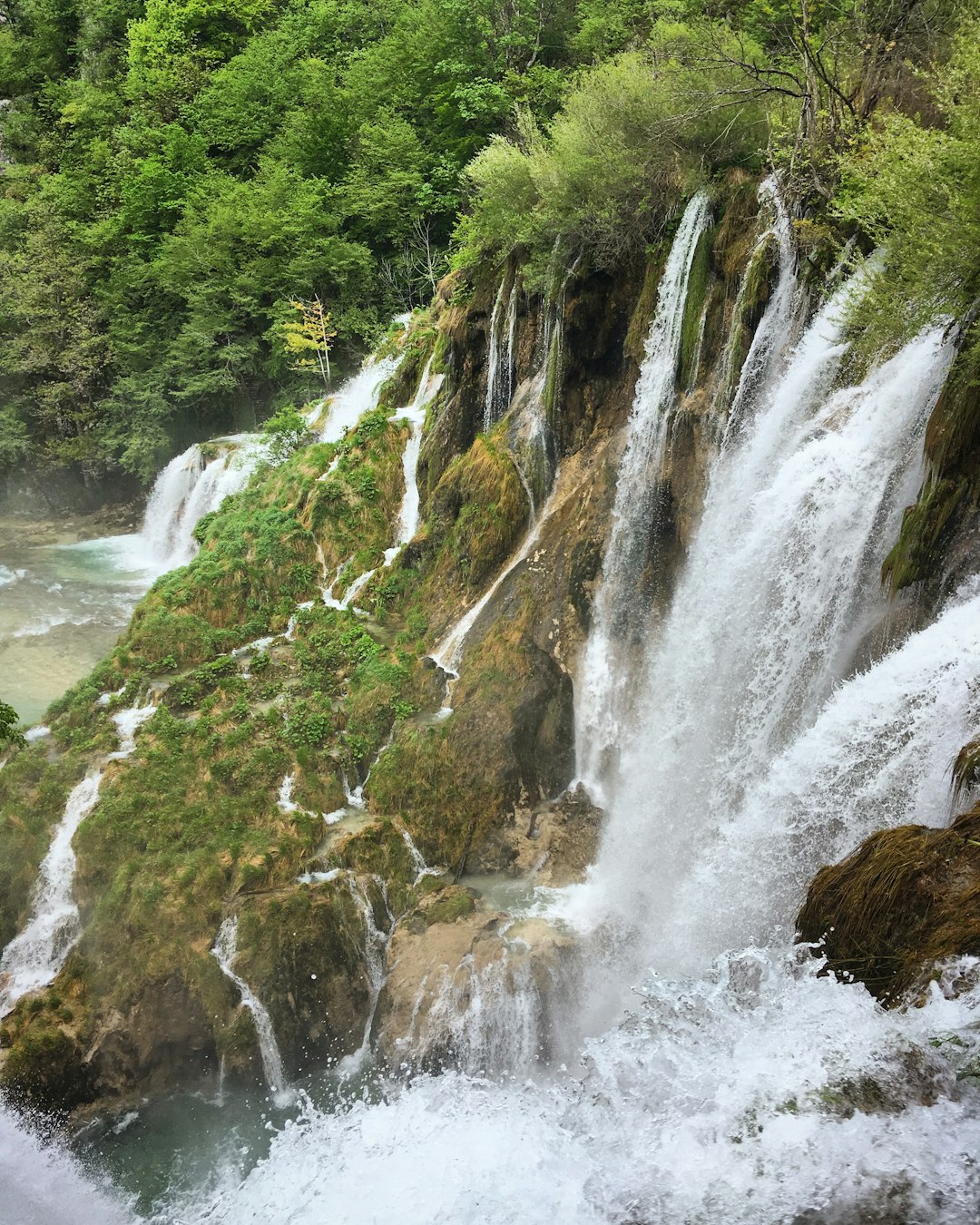
Spring starts chilly in March (highs around 10 °C) and warms to a comfortable 20 °C by May. Rain is frequent — expect 80–100 mm per month — but interspersed with sunshine.
Summer is the warmest season, with July and August regularly exceeding 27 °C. Afternoon thunderstorms are common (75–95 mm monthly), but mornings are typically clear and warm. Heat can be a factor on exposed sections, though the forest canopy provides relief.
Fall mirrors spring in reverse — September is pleasant at 22 °C, October cools to 16 °C, and November drops to 10 °C with increasing rain (100–120 mm in October). Fog and mist become common, especially in the mornings.
Winter is genuinely cold. January averages hover just above freezing by day and drop well below zero at night. Snow is frequent, accumulating 20–40 cm in January. Precipitation falls as a mix of rain and snow (70–100 mm monthly).
Winner for weather comfort: Late May and September — warm enough for comfortable hiking, cool enough to avoid heat, with reasonable rainfall.
Crowds & Ticket Prices: Complete Comparison
Ticket Prices by Season (2026 Adult Rates)
| Period | Adult Price | Child (7–17) | Savings vs. Summer |
|---|---|---|---|
| Winter (Nov–Mar) | €10 | €5 | Save €30 (75%) |
| Spring (Apr–May) | €23 | €8 | Save €17 (43%) |
| Summer (Jun–Sep) | €40 | €15 | — |
| Fall (Oct) | €23 | €8 | Save €17 (43%) |
| Late Fall (Nov) | €10 | €5 | Save €30 (75%) |
Note: March uses winter pricing (€10). September uses summer pricing (€40). These transition months offer interesting value propositions — March gives you the first spring waterfalls at winter prices, while October delivers peak foliage at mid-season rates.
Crowd Levels
| Season | Weekday Level | Weekend Level | Notes |
|---|---|---|---|
| Winter | Very Low | Very Low | Near-empty, even holidays are quiet |
| Early Spring (Mar) | Very Low | Low | Almost deserted |
| Mid-Spring (Apr–May) | Low–Moderate | Moderate–High | May weekends can be busy |
| Summer (Jun–Aug) | High | Very High | Aug is busiest month; tickets sell out |
| Early Fall (Sep) | Moderate–High | High | Summer momentum continues |
| Mid-Fall (Oct) | Moderate | Moderate | Peak foliage draws photographers |
| Late Fall (Nov) | Very Low | Very Low | Near-empty |
Winner for budget: November–March at €10 per adult. A family of four pays €20–30 total vs. €110+ in summer.
Winner for avoiding crowds: January and February — you may have entire boardwalk sections to yourself.
Best value balance: October — €23 tickets, moderate crowds, and the park's most spectacular scenery.
What to See & Do: Season Comparison
Trail Access
| Feature | Spring | Summer | Fall | Winter |
|---|---|---|---|---|
| Lower Lakes | ✅ Full (from mid-Mar) | ✅ Full | ✅ Full | ✅ Limited circuit |
| Upper Lakes | ⚠️ Partial (Mar), Full (Apr+) | ✅ Full | ✅ Full (may close late Nov) | ❌ Closed |
| Veliki Slap | ✅ Open | ✅ Open | ✅ Open | ✅ Open |
| Boat (Kozjak) | ⚠️ From mid-Apr | ✅ Operating | ⚠️ Until late Oct/early Nov | ❌ Closed |
| Panoramic train | ⚠️ From mid-Apr | ✅ Operating | ⚠️ Reduced schedule (Nov) | ⚠️ Reduced/closed |
| All routes (A–K) | ⚠️ Full from mid-Apr | ✅ All open | ⚠️ Some close late Nov | ❌ Limited |
| Park hours | 7AM–7PM (Apr–May) | 7AM–8PM | 7AM–6PM → 8AM–4PM | 8AM–4PM |
Winner for full access: Summer — every trail, boat, train, and facility operates at full capacity with the longest hours.
Waterfall Volume
The power and appearance of Plitvice's 90+ waterfalls varies dramatically by season:
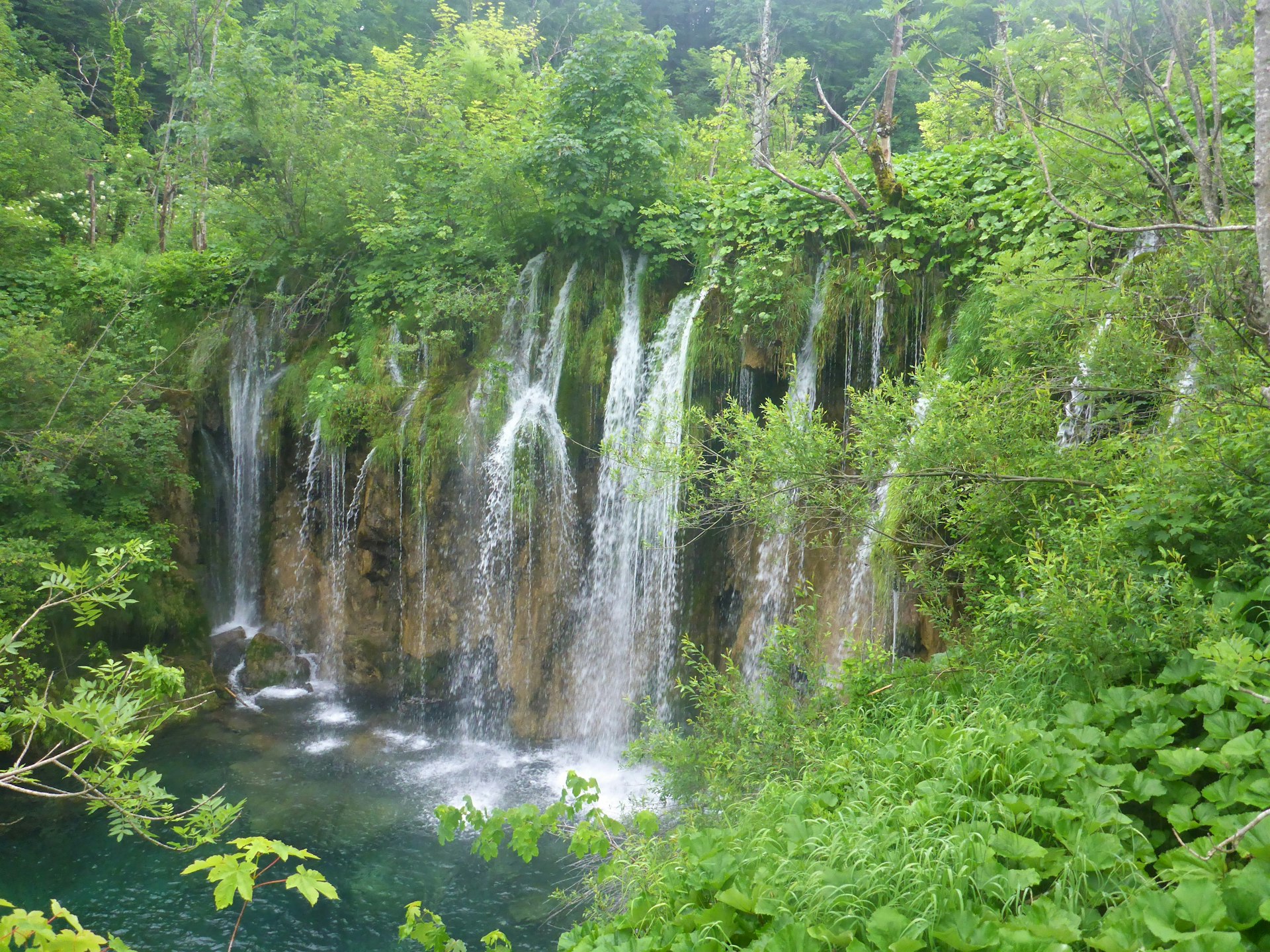
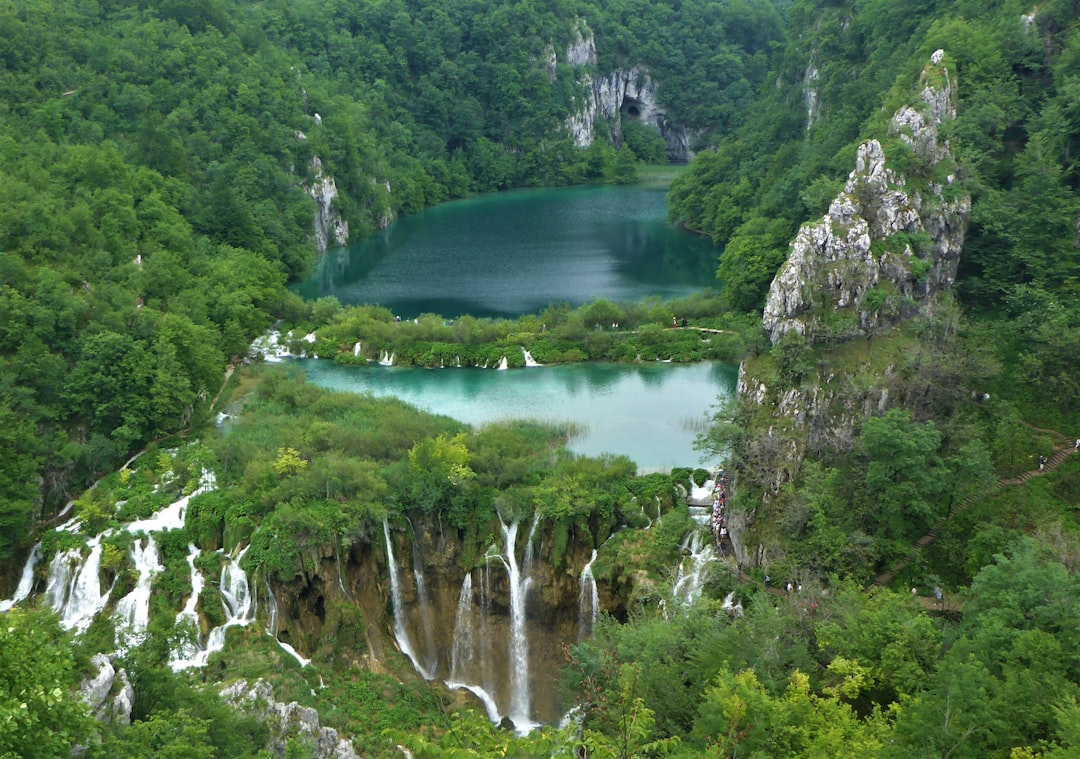
- Spring (Apr–May): Peak volume. Snowmelt and spring rains produce the most powerful cascades of the year. Veliki Slap thunders with maximum flow. If waterfalls are your top priority, this is the season.
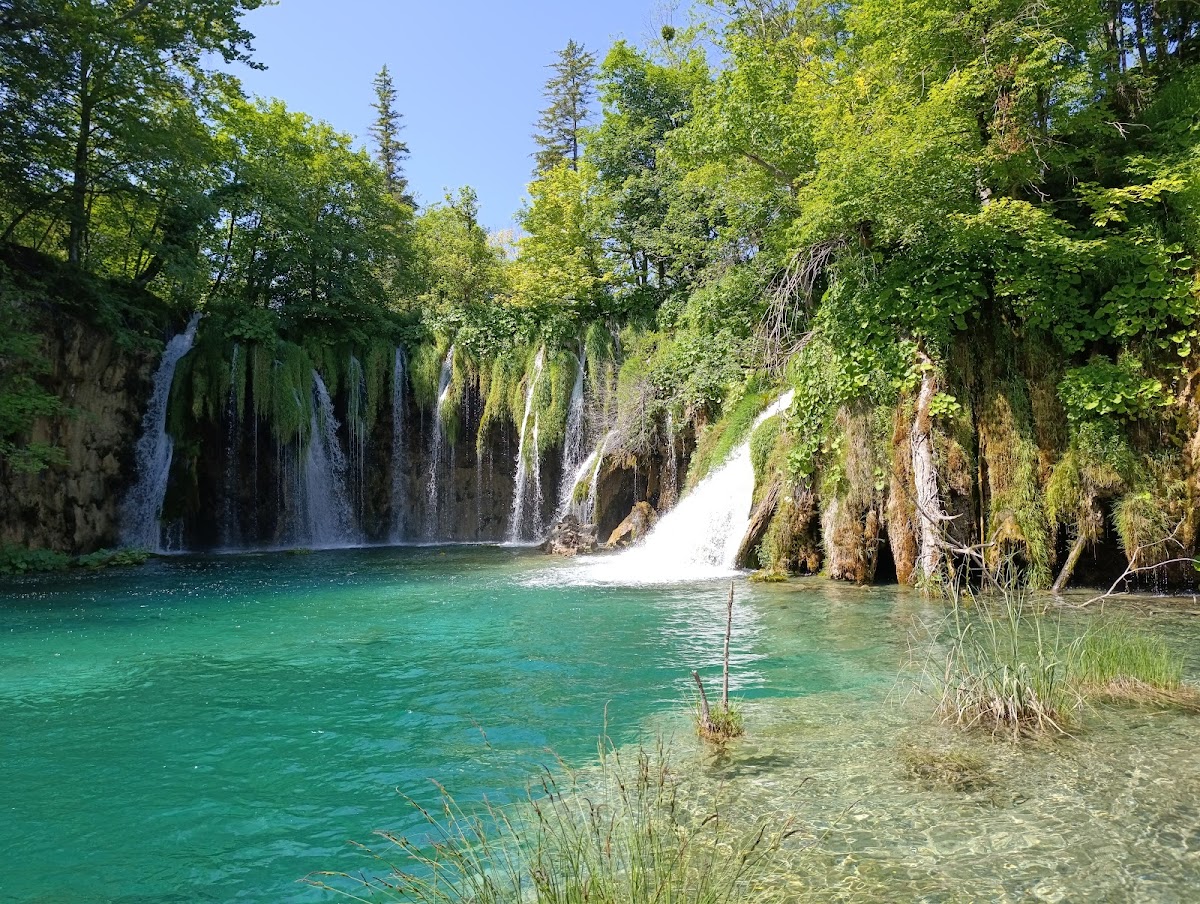
- Summer (Jun–Aug): Moderate to low. Water volume drops steadily through summer, reaching its lowest point in August. The waterfalls are still beautiful but gentler.
- Fall (Sep–Nov): Moderate. Autumn rains replenish some flow, and waterfalls are noticeably stronger than late summer. Not as dramatic as spring, but combined with fall foliage, the visual effect is stunning.
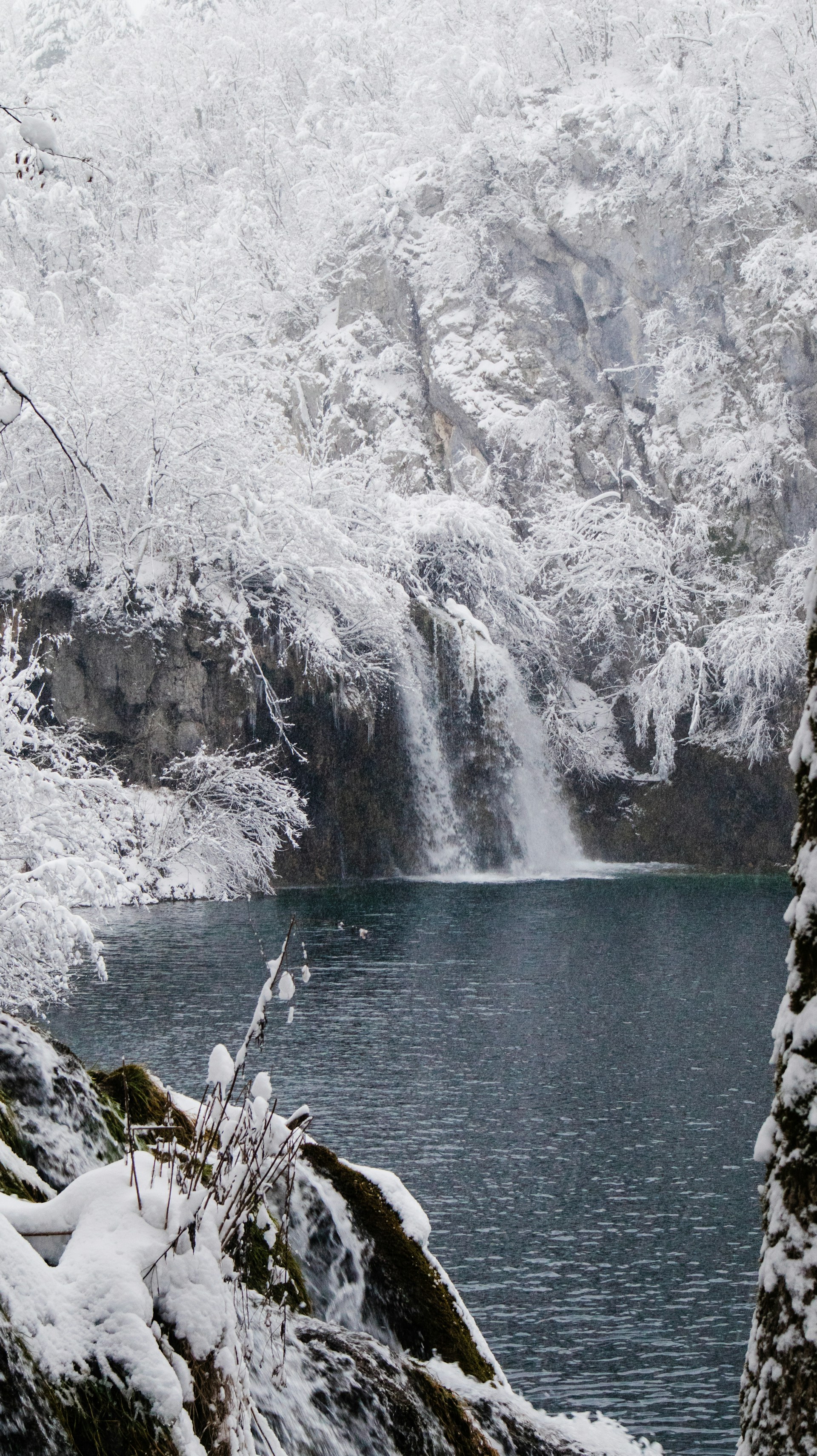
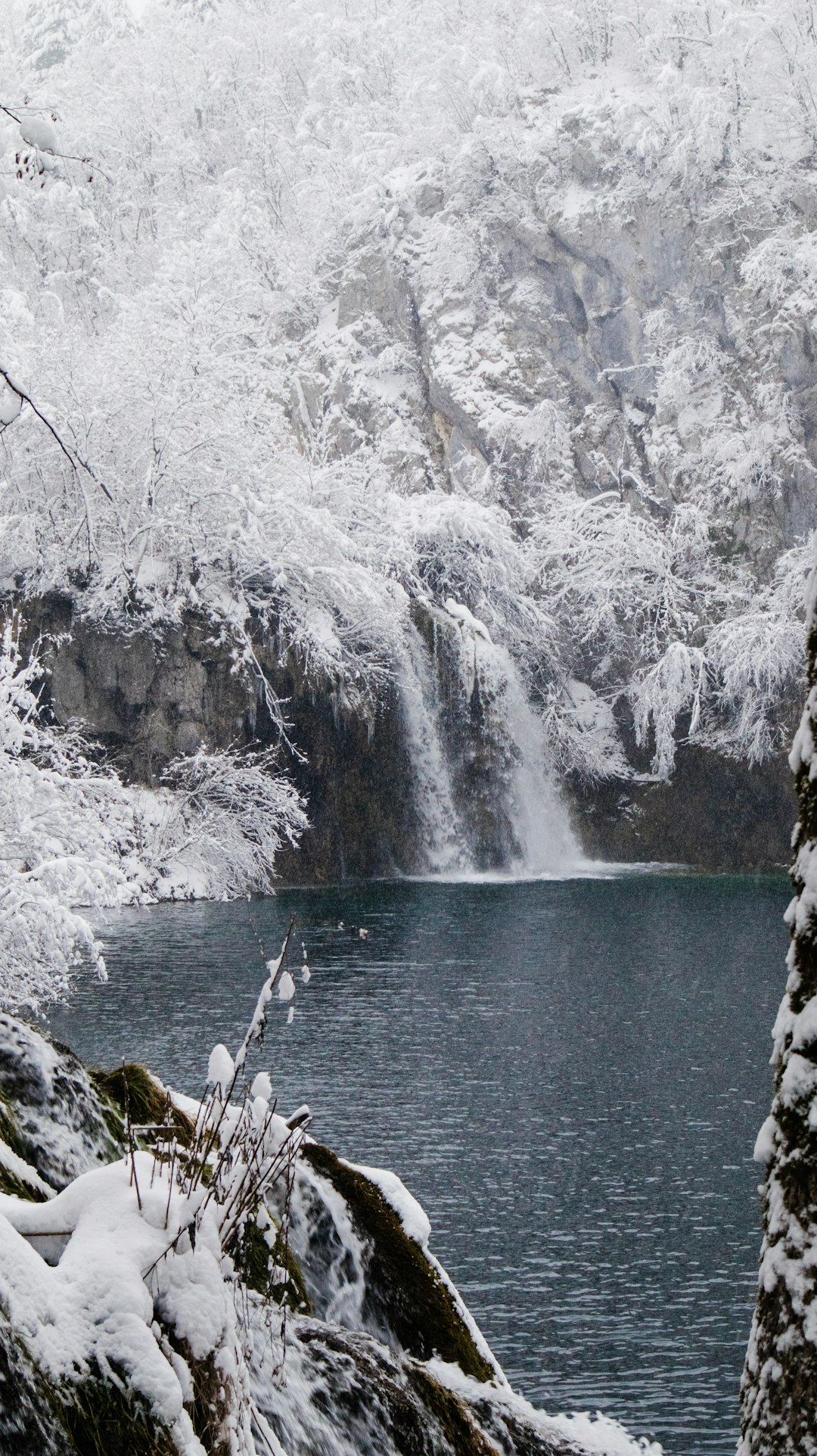
- Winter (Dec–Feb): Variable and unique. Flow depends on recent precipitation. The real draw isn't volume but transformation — waterfalls develop ice formations that are utterly unique to winter.
Unique Seasonal Highlights
| Season | Unique Feature |
|---|---|
| Spring | Wildflowers (Apr–May), peak waterfall volume, wildlife breeding season |
| Summer | Swimming at nearby Korana/Mrežnica rivers, longest days, evening light |
| Fall | Peak foliage (Oct 10–25), mushroom season, misty mornings |
| Winter | Frozen waterfalls, snow landscapes, Plitvice Marathon (Dec) |
Photography Opportunities: Season Comparison
Photography is one of the top reasons people visit Plitvice, and each season offers distinctly different opportunities.
Spring Photography
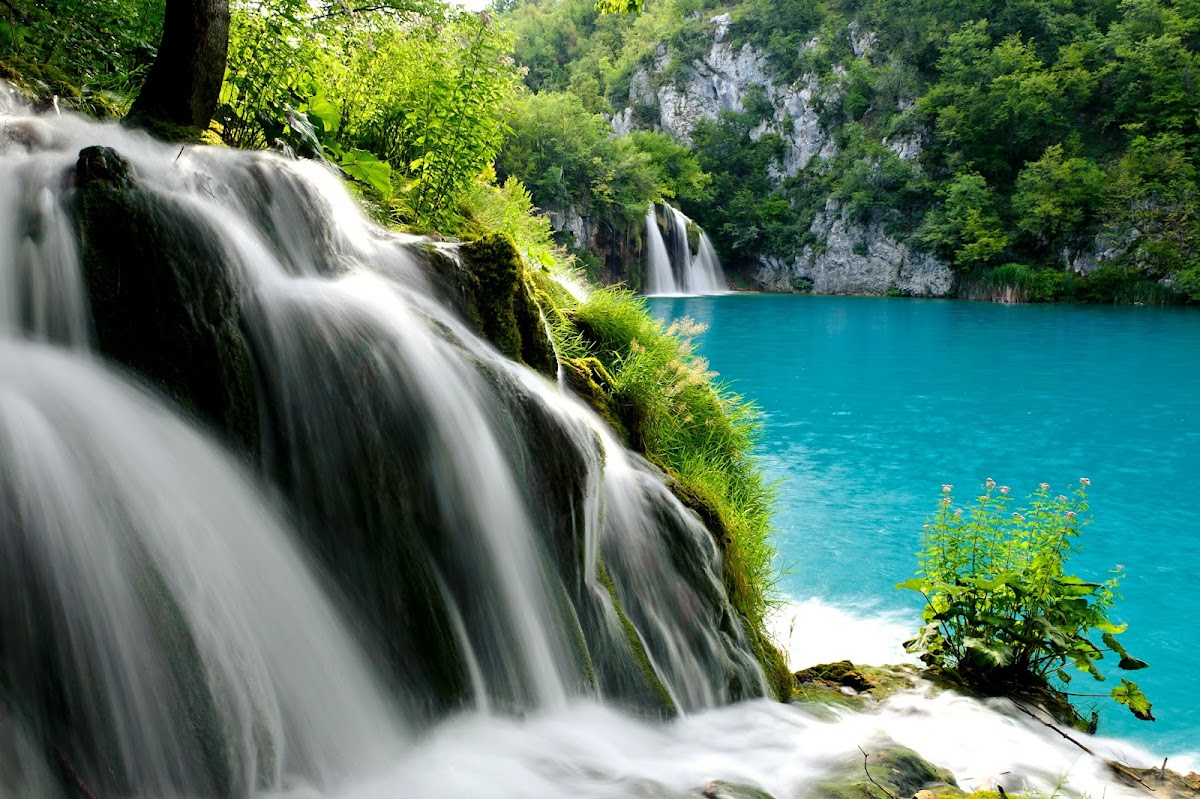
Strengths: Peak waterfall flow for dramatic long exposures. Fresh green foliage contrasts beautifully with turquoise water. Wildflower close-ups. Soft, diffused light from overcast skies.
Challenges: Frequent rain requires weather protection for gear. Mist from powerful waterfalls can coat lenses.
Best subjects: Waterfall long exposures, wildflower macros, fresh-green forest canopy.
Summer Photography
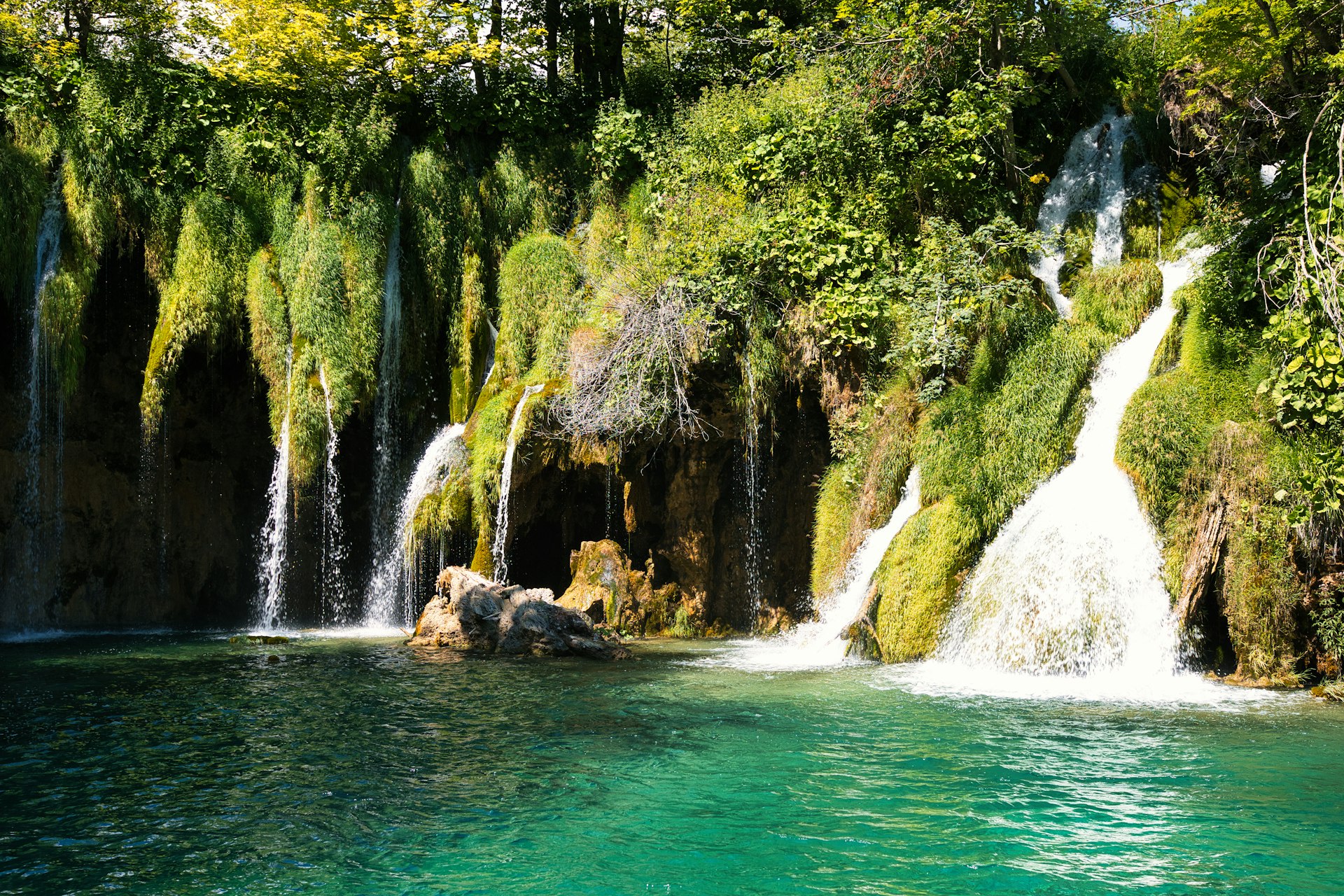
Strengths: Golden-hour light at sunrise (before 6 AM) and sunset (after 8 PM). Vibrant, saturated colors. Crystal-clear water for underwater details. Longest shooting days.
Challenges: Harsh midday light. Crowds in every frame. Reduced waterfall volume.
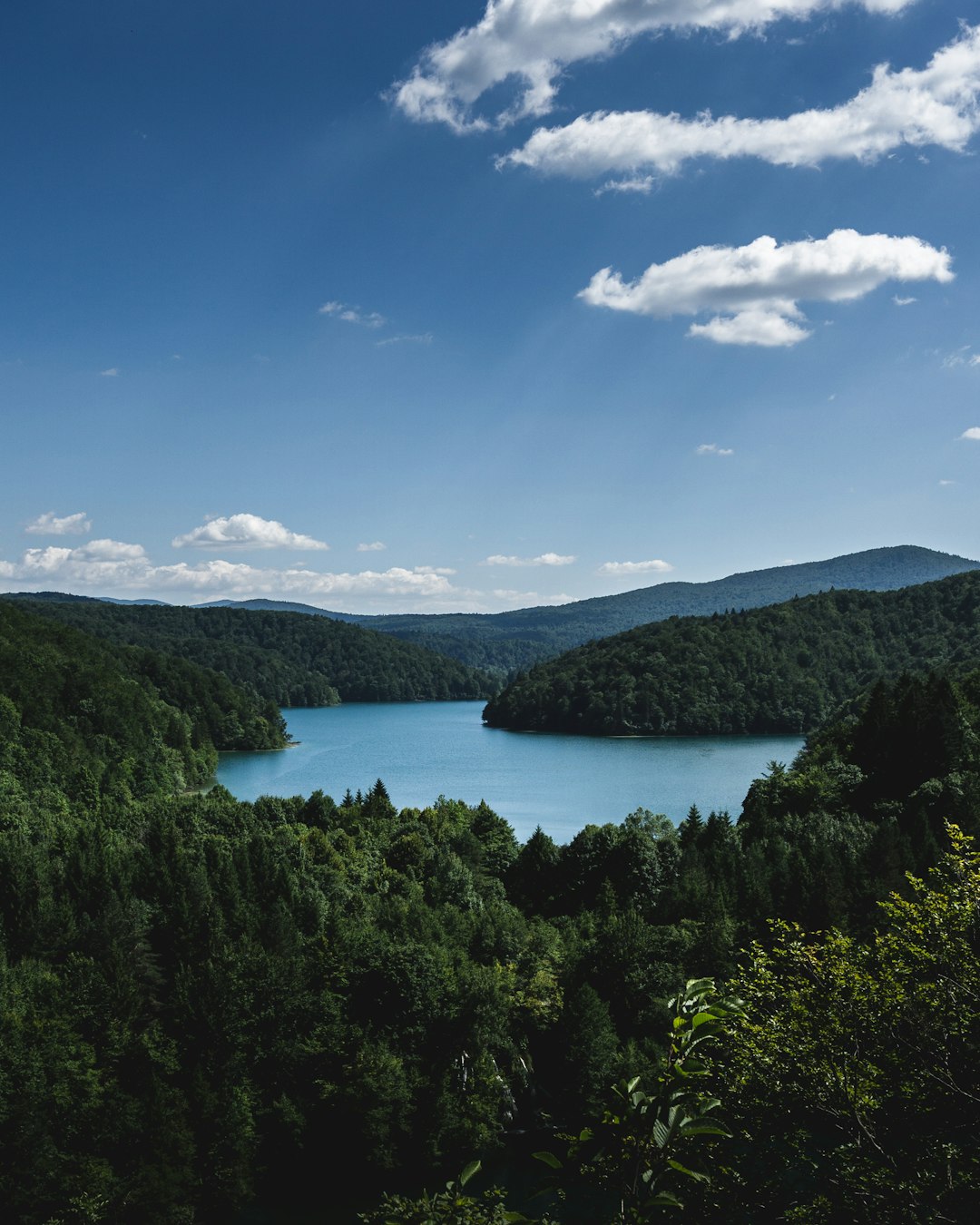
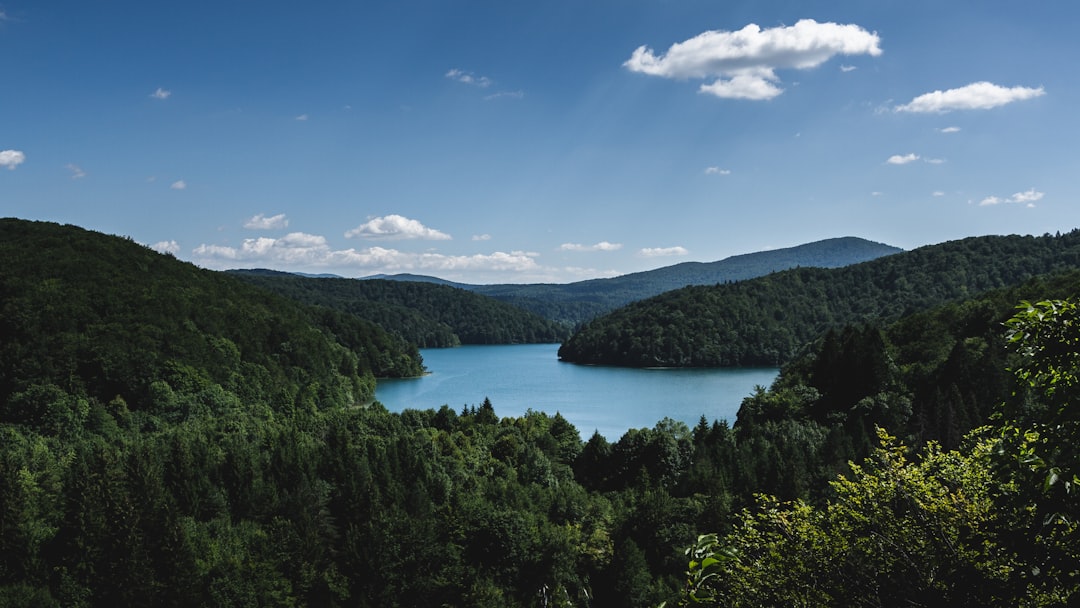
Best subjects: Turquoise water clarity, boardwalk leading lines at dawn, wildlife (butterflies, damselflies), panoramic overlooks.
Fall Photography
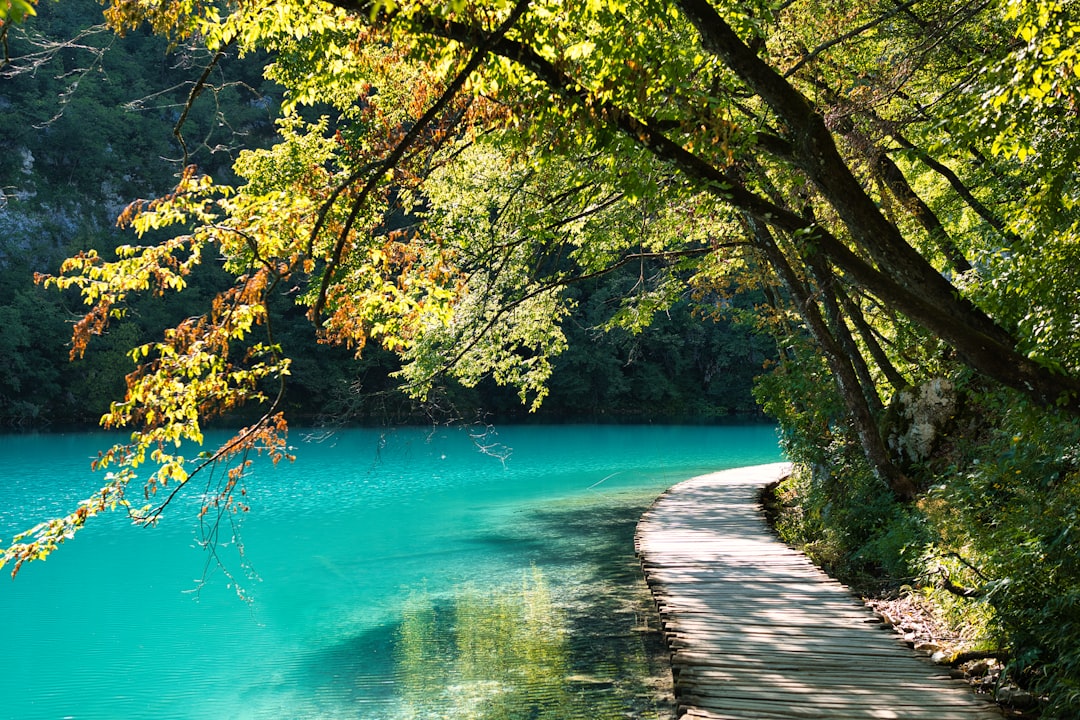
Strengths: The most photogenic season overall. Gold-and-turquoise color palette is iconic. Misty mornings. Low-angle autumn light. Fallen leaves as foreground elements.
Challenges: Unpredictable weather. Peak foliage timing varies year to year.
Best subjects: Foliage reflections on still water, misty forest paths, Veliki Slap framed by golden canopy, close-ups of leaves on travertine.
Winter Photography
Strengths: Completely unique frozen landscapes. Dramatic ice formations. Minimalist compositions (snow, bare trees, turquoise water). Near-zero crowds means no people in shots. Steaming lake surfaces on cold mornings.
Challenges: Very short daylight. Cold drains batteries fast. Limited trail access restricts compositions. Snow can fool metering (overexpose by +0.5–1.0 EV).
Best subjects: Frozen cascades, icicle close-ups, snow-covered boardwalks, steaming lakes, minimalist winter landscapes.
Winner for photography: Autumn (October) — the combination of fall colors, turquoise water, atmospheric conditions, and manageable crowds makes it the top choice for most landscape photographers. Winter is a close second for those seeking unique, dramatic images.
What to Wear & Pack: Quick Comparison
| Item | Spring | Summer | Fall | Winter |
|---|---|---|---|---|
| Waterproof jacket | Essential | Light shell | Essential | Heavy waterproof |
| Mid-layer (fleece) | Mar–Apr | Not needed | Oct–Nov | Essential |
| Thermal base layer | March | Not needed | November | Essential |
| Hiking boots | Recommended | Recommended | Essential | Insulated, waterproof |
| Ice cleats | Not needed | Not needed | Not needed | Highly recommended |
| Sun protection | May | Essential | September | Not needed |
| Insect repellent | Late May | Essential | September | Not needed |
| Trekking poles | Optional | Optional | Recommended | Recommended |
| Tripod (photo) | Recommended | Optional | Recommended | Recommended |
Universal essentials: Waterproof footwear with good grip (wet boardwalks are a constant), reusable water bottle, packed lunch/snacks (park cafés are limited and expensive), and weather-appropriate rain protection.
Pros & Cons Summary: All Seasons at a Glance
Spring (March–May)
| Pros | Cons |
|---|---|
| Peak waterfall volume | Rain is frequent |
| Affordable (€10–€23) | March trails may be limited |
| Growing but manageable crowds | Changeable weather |
| Lush, fresh scenery | May weekends getting busy |
Best for: Waterfall enthusiasts, budget-conscious spring travelers, wildflower lovers.
Summer (June–August)
| Pros | Cons |
|---|---|
| Full access, longest hours | Most expensive (€40) |
| Warm, reliable weather | Most crowded (Jul–Aug extreme) |
| Vibrant scenery | Tickets sell out |
| Fits coastal Croatia itinerary | Reduced waterfall volume |
Best for: Families on summer holiday, visitors combining Plitvice with a coastal Croatia trip, those wanting guaranteed warm weather and full park access.
Fall (September–November)
| Pros | Cons |
|---|---|
| Peak fall foliage (Oct) | September still peak-priced |
| Dropping prices (€23→€10) | Unpredictable weather |
| Thinning crowds | November closures begin |
| Best photography season | Shorter days |
Best for: Photographers, foliage enthusiasts, visitors seeking the best value-to-scenery ratio.
Winter (December–February)
| Pros | Cons |
|---|---|
| Cheapest tickets (€10) | Limited trail access |
| Near-total solitude | Cold, short days |
| Unique frozen landscapes | Facilities closed |
| Extraordinary photography | Icy conditions |
Best for: Adventurous travelers, photographers seeking unique images, budget visitors, those who appreciate solitude.
Our Recommendations: Which Season Should You Choose?
Best Overall Month: May
May delivers the best all-around Plitvice experience. Waterfalls are still powerful from spring runoff, the weather is warm and pleasant (20 °C average), all trails and facilities are open, ticket prices are a moderate €23, and crowds — while building — haven't reached summer intensity. If you can only visit once and want the balanced experience, choose May.
Best for Photography: October
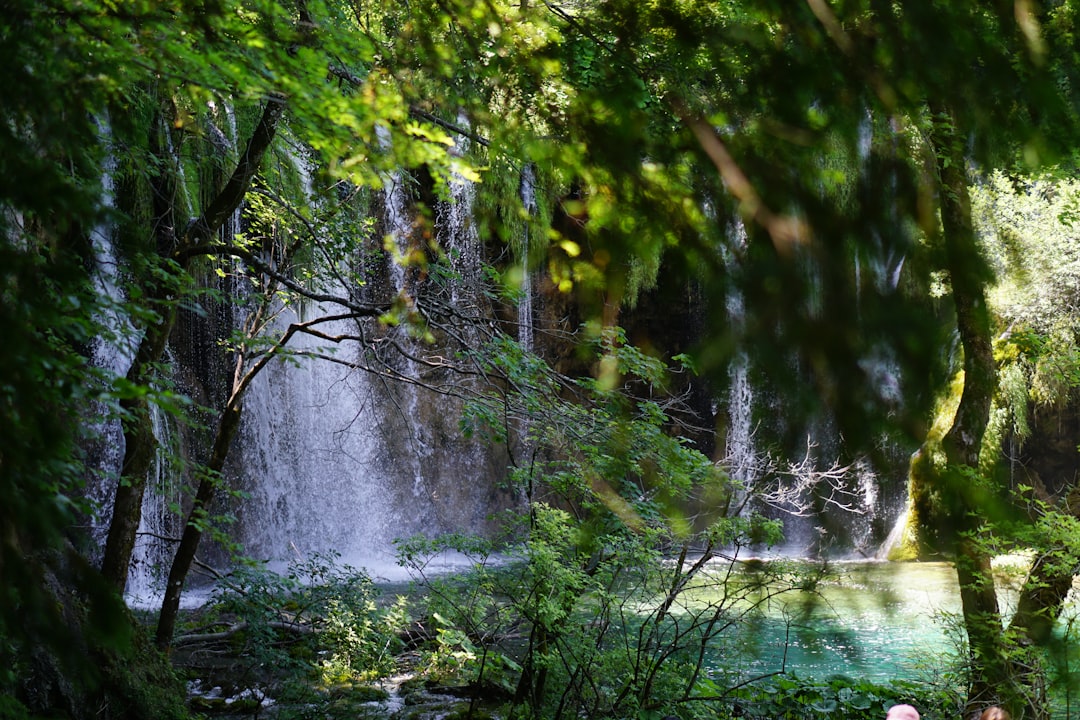
The turquoise-and-gold color palette, misty mornings, low-angle light, and moderate crowds make October the premier month for landscape photography. Plan for the window of October 10–25 for peak foliage.
Best for Budget: January
At €10 per ticket with virtually no other visitors, January is the ultimate budget visit. The frozen waterfalls are a unique bonus. Just be prepared for cold and limited access.
Best for Families: June
June avoids the extreme crowds of July–August while still offering warm weather, full park access, and long days. Prices are €40 but the comfort and accessibility make it worthwhile for families with children.
Best for Avoiding Crowds: February
Even quieter than January (post-holiday lull), February offers near-private access to the Lower Lakes. Late February brings slightly longer days and the first hints of approaching spring.
Best Compromise: Late September
Late September (roughly September 20–30) hits a sweet spot: summer warmth is fading to comfortable hiking temperatures, the first autumn colors are appearing, summer tour groups are winding down, and while tickets are still €40, the experience approaches autumn quality at summer accessibility.
Tips for Any Season
Book timed-entry tickets online regardless of season. It guarantees your entry and lets you choose your preferred time slot.
Arrive at park opening. This advice applies year-round. The first 1–2 hours always offer the best conditions — fewer people, better light, calmer water for reflections.
Wear waterproof footwear. The boardwalks are wet in every season. Sneakers and sandals are always a mistake.
Pack your own food. Park cafés are limited, overpriced, and may be closed in shoulder/off-seasons. A packed lunch gives you flexibility.
Stay near the park. Rastoke, Slunj, Korenica, and guesthouses along the D1 road let you arrive at opening without an exhausting drive from the coast.
Allow enough time. Don't rush. Even in winter with limited access, budget at least 2–3 hours. In summer with full access, plan for 5–8 hours.
Check the official website before every visit for operating hours, trail closures, and any special conditions.
Respect the park. Stay on marked trails and boardwalks. Don't touch the water. Don't feed wildlife. Don't fly drones (prohibited). The travertine ecosystem is ancient and fragile.
Frequently Asked Questions
What is the absolute best month to visit Plitvice Lakes?
May is our top overall recommendation. It balances warm weather, powerful waterfalls, open trails, moderate crowds, and mid-range ticket prices. For photography specifically, October is the best month.
Can I visit Plitvice in one day?
Yes. Most visitors spend 4–6 hours in the park, which is enough to cover either the Lower or Upper Lakes thoroughly, or both at a brisk pace. For a complete, relaxed visit covering the full park, consider a two-day ticket.
Is Plitvice Lakes worth visiting in winter?
Absolutely. Winter offers a completely different and uniquely beautiful experience — frozen waterfalls, snow-covered landscapes, and near-total solitude at the lowest ticket price. It's not for everyone (cold, limited access), but those who visit in winter often call it their most memorable trip.
How much do tickets cost across the year?
- November–March: €10 (adult), €5 (child 7–17)
- April–May and October: €23 (adult), €8 (child)
- June–September: €40 (adult), €15 (child)
- Under 7: Free year-round
Should I visit the Upper Lakes or Lower Lakes?
Both. The Lower Lakes have the most dramatic waterfalls and the iconic canyon viewpoint. The Upper Lakes are wider, calmer, and surrounded by denser forest. If you can only choose one, the Lower Lakes are the classic Plitvice experience. If you have time for both, the Upper Lakes add a completely different character.
How far is Plitvice from Zagreb, Split, and Dubrovnik?
- Zagreb: ~130 km, about 2 hours by car
- Split: ~260 km, about 2.5–3 hours by car
- Zadar: ~130 km, about 1.5–2 hours by car
- Dubrovnik: ~450 km, about 4.5–5 hours by car
Bus connections exist from all major cities, but a car gives you the most flexibility, especially for early-morning arrivals.